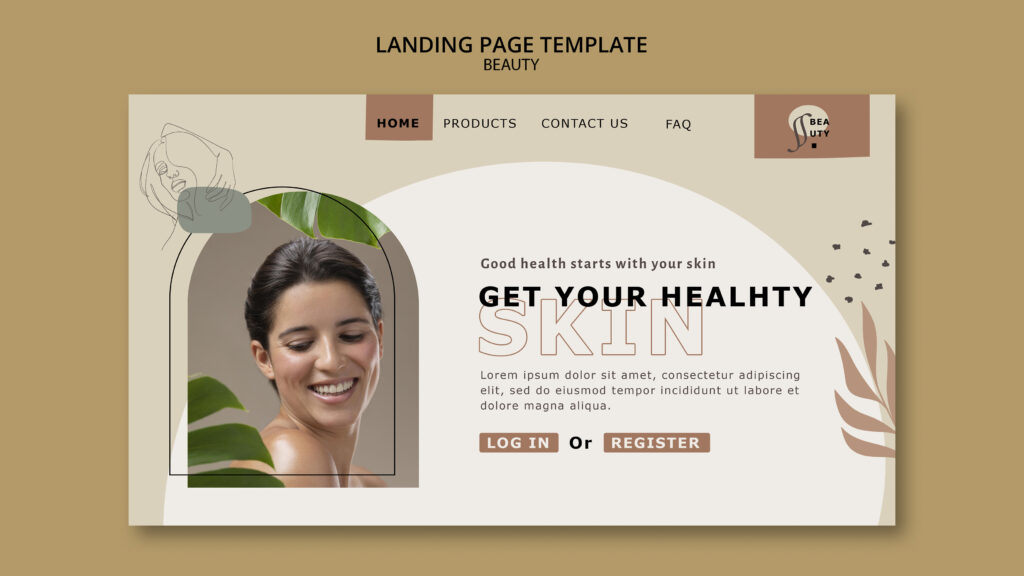

If you run an aesthetic clinic, you’ve probably heard two common pieces of advice.
On one hand, someone tells you your website needs a redesign.
On the other, you’re told it needs optimisation.
At first glance, these ideas sound similar.
However, they solve very different problems.
Many aesthetic clinics invest heavily in beautiful website design.
Yet, despite this, bookings remain inconsistent, Google rankings stay flat, and enquiries feel low quality.
In most cases, the issue isn’t how the website looks.
Instead, the problem lies in how the website works.
What Website Design Means for Aesthetic Clinics
Website design focuses on visual presentation.
This includes:
- layout and spacing
- colour palettes and branding
- typography choices
- imagery and overall style
Naturally, good design matters in the aesthetics industry.
After all, first impressions strongly influence trust.
That said, design alone does not guarantee results.
For example, a well-designed website can still struggle to rank on Google or convert visitors into bookings.
In short, design creates appeal — but not performance.
What Website Optimisation Actually Does
Website optimisation focuses on performance, clarity, and outcomes.
For aesthetic clinics, this typically includes:
- SEO structure and internal linking
- page speed and mobile usability
- content clarity and intent matching
- conversion paths and calls to action
- trust signals placed at the right moments
As a result, optimisation helps the right people find your website and move forward with confidence.
While design attracts attention, optimisation supports decision-making.
The Real Difference: Appearance vs Outcomes
A simple comparison makes this clearer.
Website design is about how your site looks.
Website optimisation is about what your site achieves.
Because of this difference, a visually impressive website can still:
- confuse first-time visitors
- attract price shoppers
- fail to answer safety concerns
- generate low-quality enquiries
Meanwhile, an optimised website may look minimal.
However, it usually performs far better.
Why Aesthetic Clinics Often Prioritise Design First
Many clinics focus on design because it feels tangible.
You can see it immediately, and competitors often showcase polished visuals.
In contrast, optimisation works quietly in the background.
Although it’s less visible, its impact is far greater over time.
Unfortunately, clinics that focus only on design often notice:
- traffic without conversions
- reliance on paid ads
- repetitive enquiries from unsure clients
At that point, frustration usually follows.
Where Website Design Still Plays an Important Role
This doesn’t mean design should be ignored.
In fact, effective aesthetic clinic design should:
- feel calm and professional
- support medical credibility
- improve readability
- reduce visual clutter
However, design works best when it supports optimisation.
When visuals override clarity, performance often suffers.
What Website Optimisation Looks Like in Practice
Optimisation is practical and user-focused.
Structuring Pages Around Client Questions
Rather than leading with marketing language, optimised pages address real concerns.
For example, they explain suitability, safety, recovery, and realistic outcomes.
As a result, visitors feel informed rather than pressured.
Improving Internal Linking
Optimised websites guide users naturally between:
- related treatments
- alternatives
- educational resources
This not only improves SEO but also keeps visitors engaged longer.
Reducing Booking Friction
Optimisation identifies where users hesitate.
Then, small changes are made to forms, CTAs, and page flow.
Over time, these adjustments significantly improve conversion rates.
Strengthening Trust Signals
Instead of adding more text, optimisation focuses on placement.
Credentials, testimonials, and safety messaging appear exactly when reassurance is needed.
Consequently, trust builds without overwhelming the visitor.
What Happens When Design Exists Without Optimisation
Design-led websites often experience:
- high bounce rates
- unclear user journeys
- excessive price comparisons
- frequent repetitive enquiries
Although the website may look premium, it doesn’t guide decisions effectively.
Why Optimisation Often Comes Before Redesign
In many cases, clinics don’t need a full redesign.
Instead, they benefit more from:
- clearer content hierarchy
- better SEO foundations
- improved internal linking
- refined calls to action
Because of this, optimisation is usually the smarter first investment.
What Aesthetic Clinics Actually Need
The strongest clinic websites balance both elements.
They are:
- visually credible
- strategically optimised
- easy to update
- built around client confidence
Rather than chasing trends, they prioritise clarity and trust.
How to Decide What Your Clinic Needs
If your site gets traffic but few bookings, optimisation is the answer.
If visitors seem confused or hesitant, optimisation helps again.
Only when the site feels outdated should design take priority.
Most clinics, therefore, benefit from optimisation first.
Final Thought
Website design attracts attention.
Website optimisation drives action.
For aesthetic clinics, growth comes from websites that guide, reassure, and convert — not just impress.
check our recent case study — click here