
Aesthetic clinics don’t compete only with other aesthetic clinics anymore.
In 2026, they are compared — consciously or not — to private healthcare providers.
Clients expect:
- Medical-level reassurance
- Professional transparency
- Clear decision support
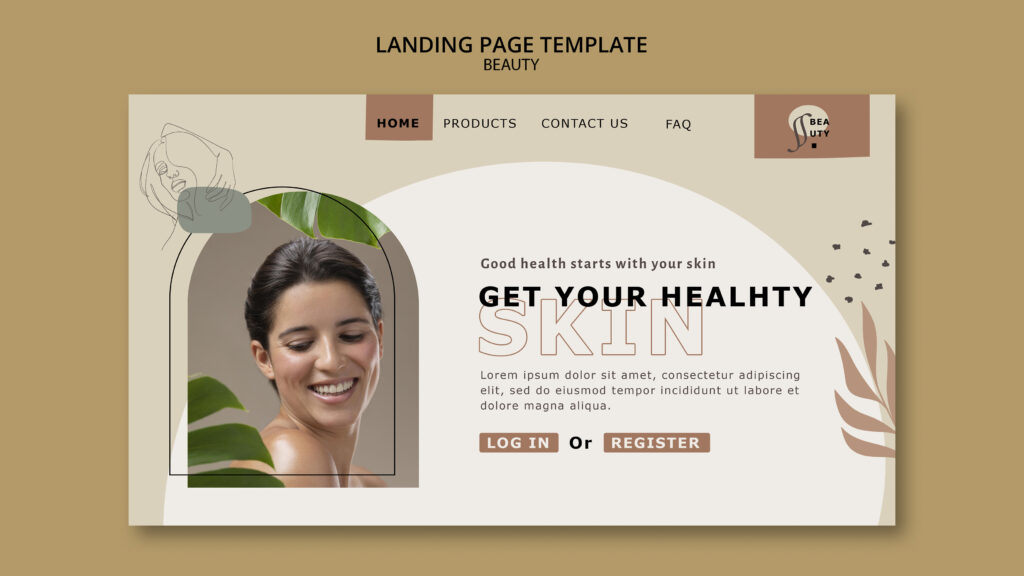
And many aesthetic clinic websites still look closer to beauty salons than healthcare providers.
That gap is costing trust.
Why Private Healthcare Websites Set a Higher Standard
Private healthcare websites are built around one core priority:
reducing patient anxiety before first contact.
They understand that:
- Patients arrive nervous
- Decisions feel high-stakes
- Trust must be earned before price is discussed
Aesthetic treatments may be elective, but the emotional risk feels very similar to healthcare.
Clients want confidence, not persuasion.
Lesson 1: Lead With Reassurance, Not Promotion
Private healthcare websites rarely open with:
- Discounts
- Sales language
- “Book now” pressure
Instead, they focus on:
- Safety
- Expertise
- Process clarity
Aesthetic clinic websites often do the opposite — pushing offers before trust is built.
Trust should always come before conversion.
Lesson 2: Make Expertise Impossible to Miss
Healthcare sites clearly display:
- Qualifications
- Registrations
- Clinical experience
- Specialisms
This information isn’t hidden on an “About” page — it’s integrated everywhere.
Aesthetic clinics should do the same.
If clients have to search to find out who will treat them, doubt creeps in.
Lesson 3: Explain the Process in Plain Language
Private healthcare websites carefully explain:
- What happens first
- What tests or consultations are involved
- What patients should expect next
This removes uncertainty.
Many aesthetic clinic websites skip straight to:
- Results
- Benefits
- Before-and-after images
Without explaining the journey, treatments feel transactional — and easier to compare by price.
Lesson 4: Use Calm, Confident Design
Healthcare design prioritises:
- White space
- Clear typography
- Structured layouts
- Minimal distractions
This creates a sense of control and professionalism.
Busy layouts, bold colours, and over-designed pages can unintentionally reduce credibility — even if the clinic is excellent.
Lesson 5: Transparency Builds Confidence Faster Than Claims
Healthcare websites are transparent about:
- Risks
- Limitations
- Recovery time
- Suitability
They don’t promise perfection.
Aesthetic clinics that avoid discussing limitations often:
- Increase unrealistic expectations
- Attract unsuitable clients
- Face more objections later
Honesty early reduces friction later.
Lesson 6: Patient Education Comes Before Selling
Private healthcare sites invest heavily in:
- Educational pages
- Condition explanations
- Treatment suitability guides
These pages aren’t salesy — they’re informative.
Aesthetic clinics that adopt this approach:
- Attract more serious enquiries
- Reduce repetitive questions
- Build authority organically
Education filters better than discounts ever will.
Lesson 7: Clear Navigation Reduces Decision Fatigue
Healthcare websites are structured around:
- Patient needs
- Questions
- Concerns
Not internal service lists.
Aesthetic clinics often organise websites by:
- Treatment names
- Brand categories
- Technical terms
Clients don’t think like practitioners.
Healthcare sites understand this — and structure accordingly.
Lesson 8: Risk Acknowledgement Increases Trust
Counterintuitive but true.
Healthcare websites openly acknowledge:
- Possible complications
- Who treatment may not be suitable for
- When alternatives are recommended
This doesn’t scare patients away — it reassures them.
Aesthetic clinics that only highlight positives can appear less credible.
Lesson 9: Booking Isn’t the Goal — Confidence Is
Healthcare websites treat booking as a by-product of trust.
They focus on:
- Preparing patients
- Answering doubts
- Setting expectations
When clients feel ready, booking feels natural — not forced.
Aesthetic clinics can dramatically reduce drop-offs by adopting this mindset.
Lesson 10: Content Is Updated, Not Forgotten
Healthcare websites are:
- Regularly reviewed
- Medically updated
- Aligned with guidelines
Static websites feel abandoned — and abandonment damages trust.
Aesthetic clinics that treat their website as a living platform perform better long-term.
The Shift Aesthetic Clinics Need to Make
The most successful clinics in 2026 will:
- Look less like beauty brands
- Sound less like advertisers
- Act more like healthcare providers
This doesn’t remove warmth or personality —
it adds credibility.
How Devmart Helps Clinics Apply Healthcare-Level Website Standards
At Devmart, we help aesthetic clinics:
- Structure websites around trust and decision-making
- Align design with medical credibility
- Create educational content that reduces objections
- Position clinics closer to private healthcare than beauty retail
Because clients don’t choose treatments casually —
they choose who they feel safest with.
Final Thoughts
Private healthcare websites succeed because they:
- Respect the patient’s mindset
- Reduce uncertainty
- Build trust before asking for action
Aesthetic clinics that learn from this approach don’t need to compete on price, urgency, or gimmicks.
Their website does the heavy lifting — quietly, confidently, and effectively.
check our recent case study — click here