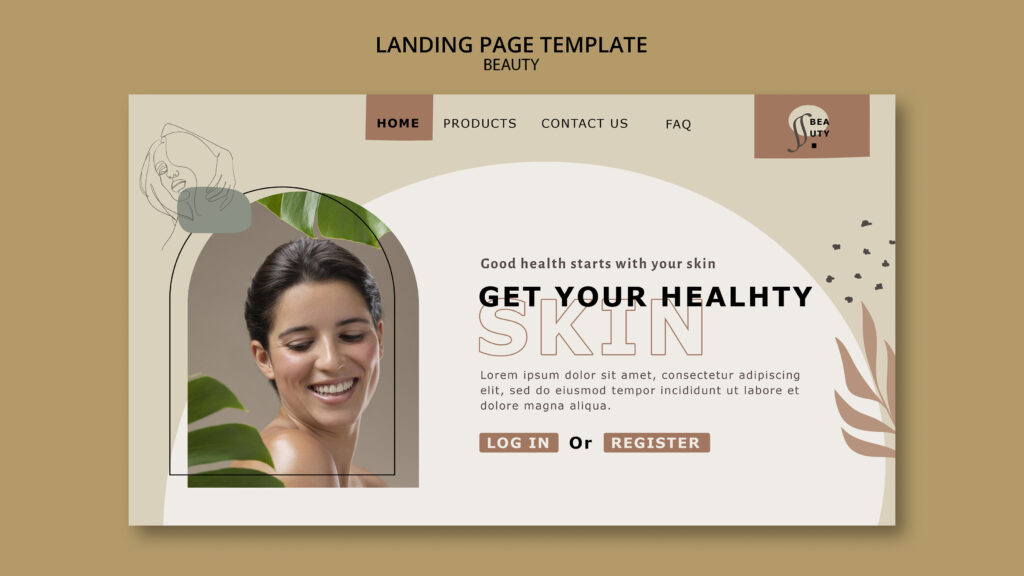
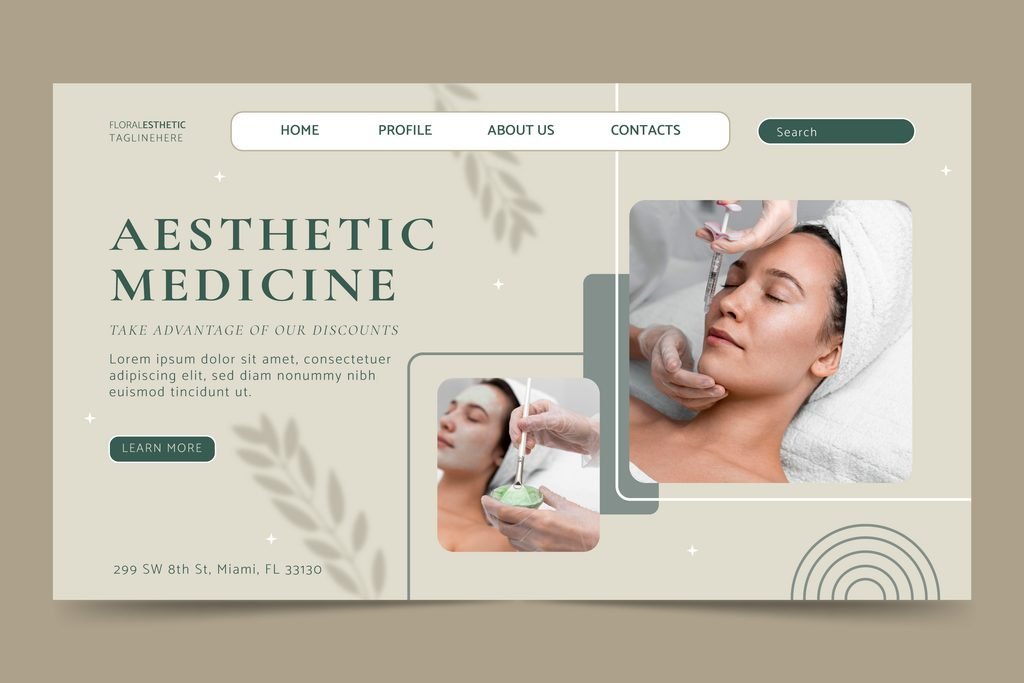
Treatment page conversion improves when a page answers a patient’s worries in the order she has them, backs each answer with honest proof, and ends with one clear next step. That is what “persuasive” should mean for a clinic: helping an informed person feel ready, not pushing a nervous one. This approach also tends to produce better patients, with fewer cancellations and fewer awkward consultations. This guide gives you the order of questions to answer, wording that persuades without promising, a top-to-bottom page blueprint, and a way to test your changes.
What “Persuasive” Should Mean for a Clinic
Aesthetic decisions are personal, and some patients feel vulnerable when they enquire. So persuasion that relies on pressure, fear, or false promises backfires. It breaks advertising rules, damages trust, and attracts patients who regret their choice.
Ethical persuasion works differently.
- Clear explanations reduce uncertainty.
- Real proof builds confidence.
- The patient’s own pace is respected, and a consultation is the place to decide.
- The next step stays easy, but never urgent without reason.
Treat every page as a conversation with a careful, curious person who has several questions. Your job is to answer them well.
Check the Rules Before You Write
Clinic wording is regulated, so start here.
- Many regulators restrict promotion of prescription-only treatments, including naming products on public pages.
- Claims about results must be accurate and provable, and results can never be guaranteed.
- Testimonials, before-and-after images, and offers face restrictions in many places.
- Consumer protection laws prohibit misleading claims about price, urgency, and availability.
Check your regulator’s guidance, and ask a qualified adviser to review your copy. Where a rule blocks a claim, describe the consultation and the process instead.
Treatment Page Conversion Starts With the Right Order
Patients have questions in a rough sequence. Pages that follow it feel natural, and pages that don’t feel confusing.
| Question in her mind | What the page should do | Typical section |
|---|---|---|
| “Am I in the right place?” | Name the treatment and location at once | Headline and opening |
| “Is this for someone like me?” | Describe who it suits, and who it may not | Suitability |
| “What will actually happen?” | Walk through the consultation, treatment, and aftercare | What to expect |
| “Is it safe?” | Explain risks, safeguards, and standards honestly | Risks and safety |
| “Can I trust this clinic?” | Show practitioners, credentials, and genuine proof | Team and reviews |
| “What will it cost?” | Explain price or how pricing works | Cost and what’s included |
| “What do I do next?” | Offer one clear, low-pressure step | Consultation button |
If your page answers these in roughly this order, most of the persuasion is done. If it jumps to a sales pitch before answering “Is it safe?”, visitors feel rushed.
Write the Top of the Page First
The opening decides whether people keep reading. Say what the treatment is, where you offer it, and who will look after the patient. Then add one calm sentence about the experience, and a visible button.
Here are weak and stronger examples. Adapt them to your treatments and your local rules.
| Weak wording | Stronger wording | Why it works better |
|---|---|---|
| “The best [treatment] in town” | “[Treatment] in [area], planned and carried out by [practitioner, qualification]” | Specific, and something you can prove |
| “Look 10 years younger” | “A careful approach to [concern], planned around your face and your goals” | Avoids a result promise |
| “Book now before it’s too late!” | “Book a consultation to discuss whether it suits you” | Invites a decision without pressure |
| “Painless, no downtime” | “Sensations and recovery vary, and we explain what to expect before you decide” | Honest about variation |
Translate Features Into Patient Experience
Patients care about what the treatment means for them, not only how it works.
- Describe the concern it addresses in everyday words.
- Explain what the appointment feels like, step by step.
- Say how long it takes, and what the first few days may involve.
- Mention how the team supports her afterwards.
Avoid technical jargon unless you explain it. Where rules limit result claims, focus on the process and the care.
Use Specifics Instead of Superlatives
Words such as “best”, “amazing”, and “revolutionary” persuade few people, and they can break advertising rules. Specifics persuade more.
- Name the practitioner and her qualifications.
- State the typical appointment length.
- Explain what’s included in the price.
- Mention the safety standards you follow.
- Describe the aftercare you provide.
A reader can check each of these, which makes them believable.
Let Proof Do the Persuading
Your claims matter less than evidence. Place proof next to the doubt it answers.
- Suitability section: Practitioner assessment and honest limits.
- Risks section: Qualifications, standards, and aftercare policy.
- Next to the button: One short, genuine testimonial or a link to independent reviews.
- Near the end: Registration details, and an invitation to ask questions.
Use testimonials, images, and video only with written consent, and where your rules allow. Our posts on patient testimonials for clinics, video testimonials for clinics, and the before and after gallery explain the rules. Our post on trust signals for clinics lists other proof.
Handle Doubts Before They Become Exits
Each worry deserves an answer on the page.
| Doubt | Where to answer it |
|---|---|
| “Will it look natural?” | The “who it suits” and consultation sections, describing how the practitioner plans around the individual |
| “Will it hurt?” | “What to expect”, with honest, measured wording |
| “How long will I need to recover?” | The recovery section, with a note that recovery varies |
| “Is it worth the cost?” | The cost section, with what’s included |
| “What if I’m unhappy?” | Aftercare and policy sections |
| “Will I be pressured?” | Beside the button, with a reassurance line |
Our post on pricing objections for clinics explains how to handle cost doubts in depth.
Make the Page Easy to Read
Even good content fails if it’s hard to read.
- Use short paragraphs and clear subheadings.
- Write in plain language, as you’d speak to a patient.
- Put the main point first in each section.
- Use lists for steps and options.
- Keep key information near the top, especially on phones.
Our post on clinic page design explains the visual side.
Reduce Effort at the End
A persuaded patient still needs an easy next step.
- Place a clear button near the top, after the key information, and at the end. Our posts on call to action for clinics and CTA wording for clinics explain how.
- Add a short reassurance line, such as your reply time.
- Keep the form short, and avoid health questions in open forms. Our post on enquiry form fields explains how.
- Offer a gentler option for visitors who aren’t ready, such as “Ask a question”.
- Link the button to the right booking page, and make sure it works on phones.
A Page Blueprint From Top to Bottom
Use this order as a starting point, and adapt it to your treatment.
- Headline and opening: Treatment, location, practitioner, and a button.
- Who it suits: Concerns addressed, and honest limits.
- What to expect: Consultation, treatment, and aftercare in plain steps.
- Results and recovery: Measured expectations, with no guarantees.
- Risks and safety: Plain-language information and safeguards.
- Your practitioners: Names, photos, and qualifications.
- Proof: Genuine reviews and, where allowed, consented stories.
- Cost: What it includes and what affects the total.
- FAQs: Short answers to the real questions.
- Closing button: One clear next step, with reassurance.
Where Persuasion Becomes Pressure
Some tactics damage trust and often break rules.
- False urgency: Fake countdowns or “only two slots left” when it isn’t true.
- Fear and insecurity: Wording that exploits how patients feel about their appearance.
- Guarantees: Promises of results or satisfaction.
- Hidden conditions: Offers whose terms appear after the click.
- Cherry-picked proof: Only the most dramatic results.
- Shaming language: Lines that imply a patient should feel bad for waiting.
Our post on booking availability cues explains how to give honest timing information instead.
Measure and Test Your Changes
Check that your changes help.
- Record a baseline. Note enquiries, button clicks, and the conversion rate for the page. Our post on website conversion rate explains how.
- Change one thing. For example, rewrite the opening, or add a section on what to expect.
- Track actions. Count button clicks, calls, and form starts, with generic event names and no personal details.
- Compare after several weeks. Look at enquiries and attended appointments, not just clicks. Allow for seasonal swings.
- Check quality. Do the enquiries come from patients who suit the treatment?
- Ask new patients which parts of the page helped.
With low traffic, treat the results as hints. Our post on A/B testing for clinics explains when a formal test makes sense, and heatmaps can show where visitors stop reading.
Privacy and Rules
- Follow your regulator’s rules on advertising treatments, offers, prices, testimonials, and prescription-only products.
- Avoid guarantees and exaggerated claims.
- Get written consent before you show patient photos, stories, or reviews.
- Follow consent rules before you track visitors.
- Keep names, contact details, and health details out of analytics, page addresses, and event labels.
- Never give personal medical advice on the page. Invite visitors to book a consultation.
Rules vary by country, so ask a qualified adviser to review your pages.
Common Mistakes
- Writing about the clinic, not the patient. Visitors want answers to their questions.
- Leading with a sales pitch. Safety and suitability should come first.
- Using superlatives. “Best” and “amazing” persuade little and risk the rules.
- Hiding risks. Silence feels evasive.
- Promising results. No treatment can guarantee an outcome.
- Burying the button. Persuaded visitors can’t act.
- Faking urgency. It damages trust and may be illegal.
- Changing many things at once. You can’t tell what worked.
A Simple Plan
- First week: Check your regulator’s rules, and map your top treatment page against the seven questions.
- Second week: Rewrite the opening and add any missing sections, such as what to expect and who it suits.
- Third week: Add honest proof, a short FAQ, and a clear closing button with a reassurance line.
- Fourth week: Check the page on a phone, review your numbers against the baseline, and choose the next improvement.
The Takeaway
Treatment page conversion rises when a page answers patients’ questions in the order they ask them: where am I, is this for me, what happens, is it safe, can I trust you, what does it cost, and what do I do next. Use specifics instead of superlatives, place honest proof beside each doubt, and keep the next step easy and unhurried. Avoid pressure, false urgency, and guarantees. Then measure enquiries and attended appointments, and improve one section at a time.
Want treatment pages that persuade without pressure? [Book a free website audit] and we’ll review your top pages, proof, and booking path.