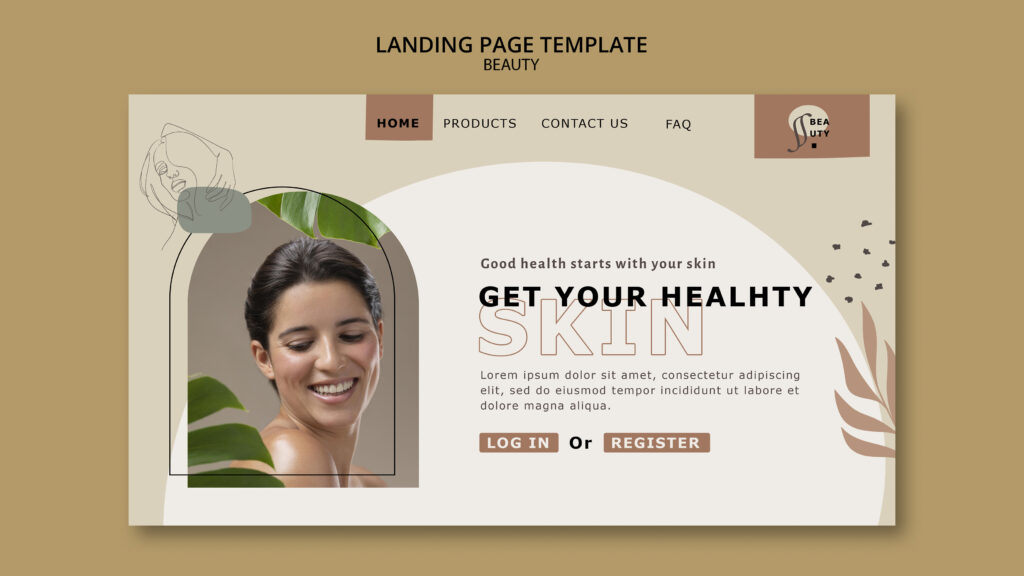
Your website is often the very first interaction a potential patient has with your clinic. Before they meet your staff or see your beautiful facilities, they visit your site. In that moment, they are asking one crucial question: Can I trust these people with my health and appearance? This is why understanding how to design a site that builds clinical trust is not just a marketing task, it is fundamental to your success.
A trustworthy website reassures visitors, answers their questions transparently, and makes them feel confident enough to take the next step. It is a careful blend of professional design, clear communication, and undeniable proof of your expertise. Let’s walk through the essential elements needed to create a website that turns curious visitors into loyal patients.
Making a Powerful First Impression
You have mere seconds to earn a visitor’s confidence. Studies show that people form an opinion about a website in as little as 50 milliseconds, and 94% of that first impression is design related. This initial judgment is almost entirely subconscious, so getting it right is critical.
Establish Your Identity Instantly
The content visible on the screen before a user scrolls, often called the “above the fold” area, is your digital billboard. This space must immediately communicate who you are, what you do, and why you are a credible choice. A clear logo, a professional tagline, and a compelling headline or image work together to set a confident tone. Since 75% of consumers admit to judging a company’s credibility based on its website design, a polished and clear identity right at the top is nonnegotiable.
Use a Hero Section That Inspires Confidence
Your homepage’s hero section, the prominent banner at the top, is the perfect place for a trust indicator. This could be a powerful patient testimonial, a mention of a prestigious award, or logos of professional associations you belong to. One company saw a 34% jump in signups just by adding a well known client’s logo to its homepage. For a clinic, displaying a “Board Certified” badge or a note like “Over 1,000 5 Star Patient Reviews” immediately signals that you are an established and respected practice.
Invest in Professional Imagery
Crisp, high quality photos of your actual clinic, staff, and treatment results build trust far more effectively than generic stock photos. People want to see the real environment and the real people they will be entrusting with their care. Authentic images help visitors visualize the positive experience you offer. This is a key component of how to design a site that builds clinical trust, as it provides visual proof of your professionalism and attention to detail.
Creating a Seamless and Intuitive User Experience
A website that is confusing or difficult to use creates frustration, not trust. A smooth, logical user experience shows respect for your visitor’s time and makes them feel at ease.
Prioritize a Mobile First Design
With over half of all web traffic coming from mobile devices, your site must work flawlessly on a small screen. Mobile first design is an approach where you design the mobile experience first and then adapt it for larger screens like desktops. This is crucial because Google now uses a site’s mobile version for its rankings. More importantly, 61% of users are unlikely to return to a mobile site if they had trouble with it, and 40% will visit a competitor instead.
Ensure Navigation is Clear and Responsive
Your website’s navigation is its roadmap. It should be simple, logical, and adapt seamlessly to any screen size. On a desktop, you might have a full menu bar, while on mobile, it collapses into a tidy “hamburger” icon. Easy navigation is the most important website factor for 65% of people. If visitors cannot find what they need, they will leave. In fact, Forrester Research found that 50% of potential sales are lost simply because users cannot find the information they are looking for. Designing intuitive and responsive navigation is a practical step in how to design a site that builds clinical trust.
Make Your Site Load Lightning Fast
Page speed is the time it takes for your website to load. In today’s fast paced world, patience is thin. Google found that 53% of mobile visitors will abandon a page that takes longer than three seconds to load. Even a one second delay can result in a 7% reduction in conversions. A fast website feels professional and efficient, while a slow one feels broken and untrustworthy.
If your clinic needs a website built on a foundation of speed and trust, the team at DevMart can help you create a seamless digital experience.
Showcasing Your Expertise and Proven Results
Once you have made a good first impression, it is time to prove your clinic’s credibility. This is where you provide the hard evidence that you are experts in your field and that you deliver excellent results for your patients.
Prominently Display Clinician Credentials
Patients need to know they are in qualified hands. Your website must clearly display the credentials, certifications, and experience of your medical practitioners. An “About Us” or team bio page should feature degrees, board certifications, and memberships in professional organizations. Highlighting the expertise of the real people behind your practice is a fundamental principle of web credibility.
Tell Your Story on the About Page
Your “About Us” page should be more than a dry list of qualifications. Use storytelling to explain why your clinic was founded, what your mission is, and what you believe in. People connect with stories and are up to 22 times more likely to remember information presented as a narrative. Sharing the passion behind your practice builds an emotional connection and helps differentiate you from competitors. A great story is an underrated part of knowing how to design a site that builds clinical trust.
Let Results Speak with a Before and After Gallery
For an aesthetic clinic, a before and after gallery is one of the most powerful trust building tools available. It provides visual proof of your work and helps prospective patients manage their expectations. Seeing is believing, and a well organized gallery of authentic, unedited patient photos (with consent, of course) can do more to convince a visitor than pages of text.
Leverage Patient Reviews and Testimonials
Social proof is incredibly powerful. People trust the experiences of other people. According to research, 93% of consumers say online reviews influence their decisions. Featuring genuine patient testimonials and linking to third party review platforms like Google or RealSelf shows that you have a history of happy, satisfied patients. Even better, video testimonials can create a strong emotional connection and have been shown to lift conversions by around 80%.
Use Social Proof Badges and Certifications
Displaying logos from awards you have won, professional bodies you belong to, or certifications you hold can instantly boost your credibility. These badges act as a visual shortcut to trust. Visitors may not know the details of each award, but the presence of these symbols sends a powerful message that your clinic has been vetted and approved by reputable third parties.
Building Trust Through Transparent and Helpful Content
Being open, honest, and genuinely helpful with your website content shows that you prioritize the patient’s wellbeing over making a sale. This approach builds a foundation of trust that can last for years.
Communicate with Value Oriented Messaging
Your website copy should focus on the benefits and outcomes for the patient, not just the technical features of a treatment. Instead of saying, “We use a fractional CO2 laser,” say, “Renew your skin and reduce fine lines for a more youthful glow.” Answering the visitor’s silent question, “What’s in it for me?” connects with their goals and makes your services more compelling.
Address Patient Questions on Service Pages
Structure your service pages to proactively answer the most common questions patients have about a procedure. Include sections on what the treatment is, who it is for, what to expect during and after, potential risks, and cost. This transparency not only educates the visitor but also positions you as a helpful expert. Plus, it is great for SEO, as people often search for answers to these specific questions.
Be Transparent About Pricing
While it may not be possible to list exact prices for every customized treatment, providing price ranges or “starting at” costs is crucial. Hidden or unmentioned pricing can make visitors assume your services are unaffordable, causing them to leave. Pricing transparency builds trust by setting clear expectations and showing you have nothing to hide.
Include a Comprehensive FAQ Section
A Frequently Asked Questions (FAQ) page is an excellent tool for addressing common concerns in one convenient place. This self service option is something many customers expect, and it can reduce the number of repetitive questions your front desk staff has to answer. A well written FAQ can also resolve last minute objections a potential patient might have before booking.
The Technical and Strategic Foundations of a Trustworthy Site
Behind every great clinical website is a solid technical and strategic foundation. These elements work in the background to protect patients, build authority, and ensure your brand is perceived as professional and reliable.
Ensure HIPAA Compliance and Data Security
For clinics, protecting patient privacy is a legal and ethical obligation. Your website must use secure technologies to handle any sensitive information collected through contact forms or booking systems. In the U.S., this means adhering to HIPAA rules. A data breach can be financially devastating and can permanently damage your clinic’s reputation. Using encrypted forms and having a clear privacy policy are nonnegotiable elements of how to design a site that builds clinical trust.
Use Encrypted Forms and SSL Certificates
An SSL certificate encrypts the connection between a user’s browser and your website, protecting any data they submit. You can tell a site has SSL if its URL starts with https:// and a padlock icon appears in the browser. Modern browsers actively warn users when a site is “Not Secure,” which can instantly destroy trust. Every page on your site should use SSL, especially any page with a form.
Offer the Convenience of Online Booking
In today’s digital world, patients expect the convenience of booking appointments online. Offering an integrated, easy to use booking system on your website allows you to capture a patient’s interest the moment they decide to act. Nearly 68% of patients prefer clinics that offer online booking. It streamlines your administrative workload and provides a frictionless path from visitor to patient.
To ensure your website is not only beautiful but also technically sound and secure, consider partnering with a specialized agency. Schedule a free discovery call with DevMart to learn more.
Maintain Consistent Branding
Your brand’s logo, color scheme, fonts, and tone of voice should be consistent across your entire website and all your marketing channels. Consistency builds familiarity, and familiarity breeds trust. A cohesive brand presentation looks professional and reassures visitors that they are in the right place, no matter which page they land on. Presenting a brand consistently can even increase revenue by up to 23%.
Comply with All Advertising Rules
The aesthetic and medical industries are subject to strict advertising regulations that vary by region. Your website content must be truthful, avoid making unsubstantiated claims, and include any necessary disclaimers. Adhering to these rules (like those from the ASA in the UK) protects patients and demonstrates your commitment to ethical marketing, which is a cornerstone of how to design a site that builds clinical trust.
Become a Resource with Content Marketing
Content marketing is the practice of creating valuable blog posts, articles, and videos that educate your audience. By providing helpful information, such as “How to Prepare for Your First Filler Appointment,” you establish your clinic as a trusted authority. Companies that blog regularly receive 55% more website traffic, and this approach builds long term trust with potential patients before they even book a consultation.
Build Authority with Internal Linking
As you build out your educational content, use internal links to connect related pages and blog posts. For example, your service page on microneedling could link to a blog post about post treatment skincare. This practice helps search engines understand your site’s structure and demonstrates your deep expertise on a topic, a concept known as topical authority. It also keeps users engaged by guiding them to more relevant information.
Offer a Welcoming Clinic Video Tour
A short video tour of your clinic can be a fantastic way to humanize your practice and reduce anxiety for new patients. A video allows them to see your clean, welcoming environment and meet some of your friendly staff virtually. Pages with video content tend to keep visitors engaged longer, and adding a video to a landing page can increase conversions by 80% or more. It is an effective way to show, not just tell, people why they should trust you.
Your Website is Your Digital Front Door
Learning how to design a site that builds clinical trust is an ongoing process that touches every aspect of your online presence. It starts with a professional first impression and extends to providing a seamless user experience, showcasing your expertise, being transparent with information, and maintaining a secure technical foundation.
By focusing on the patient’s perspective and prioritizing clarity, proof, and professionalism at every turn, you can create a website that not only attracts new patients but also serves as a powerful symbol of your clinic’s integrity.
Frequently Asked Questions
1. What is the single most important element for building clinical trust on a website?
While many elements are crucial, professional design and imagery often have the most immediate impact. A clean, modern, and professional looking site with high quality, authentic photos of your clinic and staff instantly conveys credibility and competence before a visitor reads a single word.
2. How does mobile design impact whether a patient trusts my clinic?
A poor mobile experience signals a lack of care and professionalism. If your site is difficult to navigate or read on a phone, potential patients may assume your clinic is similarly outdated or inattentive to detail. A seamless mobile design shows that you are modern, considerate, and accessible to patients where they are.
3. Why are patient testimonials more effective than just listing my services?
Testimonials provide social proof. They are unbiased endorsements from real people who have experienced your care and achieved positive results. This is far more persuasive to a new patient than a clinic’s own marketing claims, as it answers the question, “Do other people like me trust and recommend this clinic?”
4. How can I show my clinic is trustworthy without a large marketing budget?
Focus on the fundamentals. Ensure your clinician credentials are clearly displayed, write a heartfelt “About Us” story, and actively encourage satisfied patients to leave Google reviews. These actions cost very little but are incredibly powerful for building trust. Also, make sure your site is secure with an SSL certificate, which is often free.
5. Is it better to show pricing or to make people call for a quote?
Being transparent with pricing, even if it is a price range or a “starting from” cost, generally builds more trust. Hiding prices can make potential patients feel anxious or assume your services are prohibitively expensive. Transparency shows confidence and respects the patient’s time and research process. This is a core part of how to design a site that builds clinical trust.
6. How much does a website that builds clinical trust typically cost?
The cost can vary widely depending on the complexity and features. However, agencies like DevMart offer transparent packages starting from a reasonable price point for a professional starter site, with options for more advanced business and custom websites, ensuring there is a solution for clinics at different stages of growth.