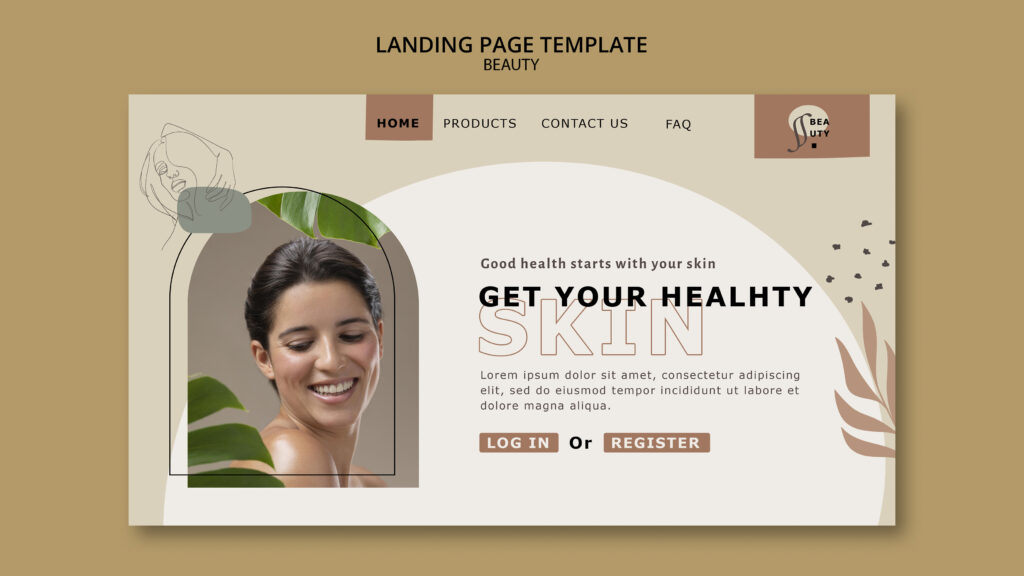

Most aesthetic clinic websites look fine.
Clean layouts. Nice images. Soft colours.
And yet — bookings are inconsistent, enquiries feel low-quality, and visitors disappear without taking action.
That’s because design that looks good isn’t the same as design that converts.
In aesthetic clinics, conversion isn’t about pressure or flashy CTAs. It’s about trust, clarity, and confidence. If your website doesn’t support those three things, even high traffic won’t translate into bookings.
Let’s break down the aesthetic clinic website design best practices that actually move people from browsing to booking.
Start With How Clients Actually Decide
Before talking about layouts or colours, it’s important to understand one thing:
Aesthetic clients don’t behave like ecommerce shoppers.
They:
- Research for days or weeks
- Compare clinics silently
- Worry about safety, results, and regret
- Look for reassurance before price
Your website design should reflect this slower, trust-led decision journey.
If it’s built like a sales funnel, people pull away.
If it’s built like a calm guide, people stay.
Make Trust Visible Without Overexplaining
One of the biggest conversion killers is hidden credibility.
Clients shouldn’t have to hunt for reasons to trust you.
Best-practice design includes:
- Clear practitioner credentials
- Easy-to-find clinic information
- Subtle medical cues (not beauty-salon vibes)
- Consistent branding across all pages
Trust signals work best when they’re felt, not forced.
This means:
- No giant “TRUST US” sections
- No overcrowded badge collections
- No overuse of testimonials
Quiet confidence converts better than loud reassurance.
Use Layout to Reduce Cognitive Load
Overdesigned pages confuse people.
Aesthetic clinic websites convert better when:
- Pages are visually calm
- Content is spaced generously
- Sections are clearly separated
- The eye knows where to go next
White space isn’t empty space — it’s breathing room for decisions.
Good layout helps visitors:
- Process information faster
- Feel less overwhelmed
- Stay on the page longer
Which directly impacts conversions.
Design Treatment Pages Around Questions, Not Features
One of the most overlooked best practices.
Most treatment pages list:
- What the treatment is
- How it works
- Why it’s popular
But clients are thinking:
- “Is this safe for me?”
- “Will it look natural?”
- “What happens if I don’t like the result?”
High-converting treatment pages are structured around real client questions, not technical explanations.
Design supports this by:
- Breaking content into scannable sections
- Highlighting FAQs visually
- Guiding readers down the page naturally
When people feel understood, they convert.
Separate Information From Selling
A common mistake is trying to sell everywhere.
Best-performing aesthetic websites clearly separate:
- Informational pages (education, reassurance)
- Action pages (bookings, enquiries)
This reduces pressure and increases trust.
Design best practices here include:
- Soft CTAs on educational pages
- Stronger CTAs only when intent is high
- Clear pathways between content types
Not every page needs to push a booking.
Some pages exist to prepare the booking.
Make the Booking Journey Feel Safe, Not Urgent
Urgency works in retail.
Safety works in aesthetics.
Your booking design should:
- Explain what happens next
- Reassure, not rush
- Set expectations clearly
Best practices include:
- Simple, uncluttered forms
- Clear language (“Request a consultation” vs “Buy now”)
- Reassurance near CTAs (not hidden elsewhere)
If booking feels like a leap, people hesitate.
If booking feels like a conversation, people commit.
Use Imagery With Intention
Images don’t just decorate — they communicate.
High-converting aesthetic clinic websites avoid:
- Stock-heavy, generic faces
- Over-edited, unrealistic visuals
- Confusing brand signals
Instead, they use:
- Real clinic photography
- Consistent image style
- Visuals that support trust, not perfection
Image quality and placement matter just as much as text.
Prioritise Mobile Experience (Properly)
Most clinic traffic is mobile — but many sites are only technically responsive.
Best-practice mobile design means:
- Shorter sections
- Clear tap targets
- Easy navigation
- No cluttered layouts
If mobile users struggle to read or scroll comfortably, conversions drop fast.
Mobile isn’t an afterthought.
It’s the primary experience.
Design for SEO Without Making It Obvious
Conversion and SEO are not enemies — when done properly.
Good design supports SEO by:
- Structuring content logically
- Making internal links easy to find
- Encouraging longer time on page
Pages that feel easy to read tend to:
- Rank better
- Convert better
- Build authority faster
Design and SEO should work together, not compete.
Consistency Builds Confidence
Inconsistent design creates doubt.
Best practices include:
- Consistent typography
- Repeated layout patterns
- Predictable navigation
When visitors don’t have to relearn how your website works on each page, they feel more comfortable moving forward.
Comfort leads to action.
Measure Conversion, Not Just Traffic
Finally, design should be judged by outcomes, not aesthetics.
A converting website:
- Reduces low-quality enquiries
- Attracts better-informed clients
- Supports consultation conversations
- Improves long-term growth
If design decisions aren’t tied back to these goals, they’re just opinions.
Final Thoughts: Conversion Is a Feeling, Not a Button
Aesthetic clinic website design best practices aren’t about hacks or tricks.
They’re about:
- Making people feel safe
- Making information easy
- Making next steps clear
When your website does that well, conversions follow naturally.
Not because you pushed harder — but because you reassured better.
check our recent case study — click here