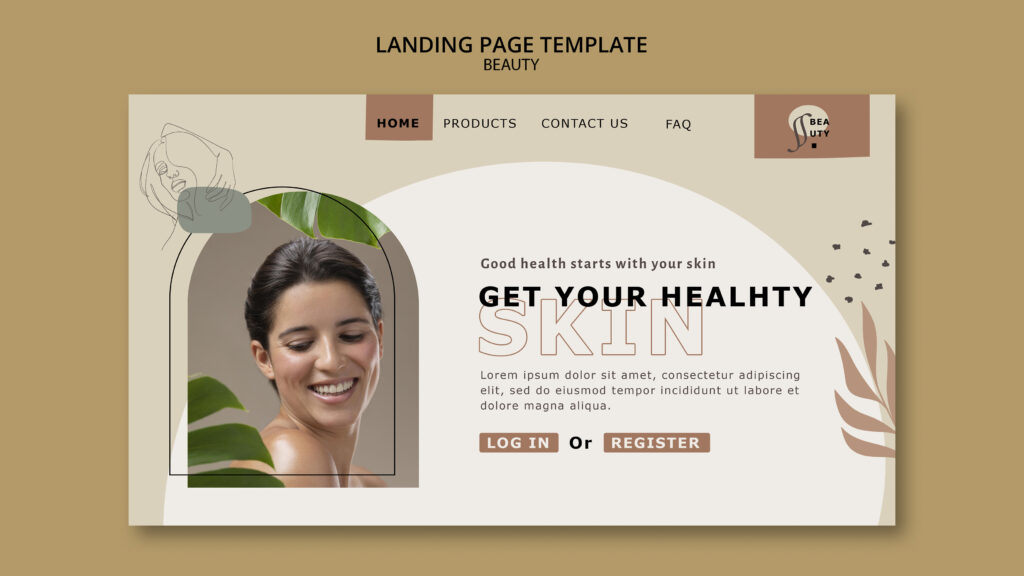

In aesthetic medicine, trends move fast.
One year it’s soft pastels and minimalist layouts. The next it’s bold typography, video-heavy homepages, or ultra-editorial design inspired by beauty brands.
While trends can make a website look modern, they don’t automatically make it effective.
For aesthetic clinics, the real job of a website isn’t to look fashionable — it’s to make visitors feel safe, informed, and confident enough to take the next step.
And confidence doesn’t come from trends.
It comes from clarity, reassurance, and trust.
The Problem With Trend-First Website Design
Design trends are often borrowed from fashion, tech startups, or beauty e-commerce. These industries optimise for attention and visual impact.
Aesthetic clinics operate under very different emotional conditions.
Your visitors are often:
- Nervous about outcomes
- Unsure if a treatment is right for them
- Comparing clinics based on trust, not aesthetics
- Concerned about safety, regulation, and expertise
When a website prioritises trends over clarity, it can unintentionally:
- Hide important information
- Feel style-led rather than care-led
- Create confusion instead of reassurance
- Make the clinic feel less medical and more cosmetic
This doesn’t just affect perception — it affects conversions.
What “Client Confidence” Actually Means in Website Design
Designing around client confidence doesn’t mean playing it safe or being boring.
It means every design decision answers one core question:
“Does this help the client feel more certain, more informed, and more comfortable?”
Confidence-led websites:
- Reduce uncertainty
- Remove friction
- Anticipate questions
- Support decision-making
They don’t rely on visual flair to impress. Instead, they use design to guide, reassure, and explain.
Why Confidence Matters More Than Aesthetics in Aesthetic Clinics
Unlike retail or beauty brands, aesthetic clinics are asking visitors to:
- Trust their face or body to a practitioner
- Commit to a medical procedure
- Accept a degree of risk
- Invest significant money
In this context, confidence is the real conversion driver.
A visitor may admire a trendy website — but they book with the clinic that feels clear, calm, and credible.
Common Trend-Driven Mistakes That Undermine Confidence
Many clinics don’t realise their website design is quietly working against them.
Some common examples include:
Over-Minimal Navigation
Trendy minimal menus can hide key information such as pricing, practitioner credentials, or treatment suitability.
Style Over Substance Homepages
Large visuals with little explanation may look premium, but they leave new visitors unsure where to start.
Fashion-Led Language
Editorial-style copy borrowed from beauty brands can sound vague or exaggerated, which reduces medical trust.
Constant Redesigns
Frequent visual overhauls can make a clinic feel inconsistent or unsettled rather than established.
Each of these choices may look modern, but they often reduce confidence rather than build it.
Designing for Confidence Starts With Structure
Confidence-led design begins with clear structure, not colour palettes.
Strong clinic websites make it obvious:
- Who the clinic is for
- What problems it solves
- How treatments work
- What the next step should be
Clear page hierarchy, predictable layouts, and logical flows help visitors feel oriented — especially first-time clients.
When people understand where they are and what to do next, confidence increases naturally.
Visual Design That Supports Reassurance
Visual design still matters — but its role is supportive, not performative.
Confidence-building visuals tend to:
- Use clean, readable typography
- Maintain consistent spacing and layout
- Avoid overly aggressive animations
- Balance warmth with professionalism
Rather than chasing trends, clinics benefit more from visual consistency over time. Familiarity breeds trust.
The Role of Content in Confidence-Led Design
Design and content should work together, not compete.
Confidence-focused websites:
- Explain treatments in plain language
- Set realistic expectations
- Address concerns openly
- Avoid exaggerated claims
When content is easy to scan and genuinely helpful, design becomes a guide rather than a distraction.
This is especially important for visitors who are still in the research phase and not ready to book yet.
Designing for Hesitant Clients, Not Ready Buyers
Trend-led websites often assume visitors are already sold.
In reality, many aesthetic clinic visitors are:
- Comparing multiple clinics
- Early in their decision process
- Looking for reassurance rather than persuasion
Confidence-led design meets them where they are.
This means:
- Clear FAQs
- Prominent safety and consent messaging
- Practitioner profiles that feel human, not promotional
- Gentle CTAs that guide rather than push
Why Trends Age Faster Than Trust
Design trends date quickly.
A website built heavily around what’s fashionable today can feel outdated within 12–18 months. In contrast, confidence-led design ages far more gracefully.
Trust signals such as:
- Clear explanations
- Strong structure
- Consistent branding
- Professional tone
remain effective regardless of design fashions.
This also reduces the need for constant redesigns, saving clinics time and money.
Confidence-Led Websites Perform Better for SEO
There’s also a practical SEO advantage.
Google increasingly rewards:
- Clear page structure
- Helpful, original content
- Strong user engagement
- Demonstrated expertise and trust
Trend-heavy websites often sacrifice content depth for visuals. Confidence-led websites tend to do the opposite — which supports long-term rankings and visibility.
How Confidence Impacts Conversion Rates
Small design choices can have a big impact on whether a visitor books.
Confidence-led websites often see:
- Higher enquiry quality
- Fewer price-only enquiries
- Better prepared consultation clients
- Lower drop-off rates
When visitors feel informed and reassured, they’re more likely to commit — and less likely to hesitate at the final step.
Confidence Is a Brand Positioning Strategy
In crowded markets, confidence-led design is also a powerful positioning tool.
While many clinics compete on:
- Trends
- Aesthetics
- Promotions
confidence-led clinics stand out by feeling:
- Established
- Calm
- Professional
- Care-focused
This attracts clients who value expertise over novelty — often the most loyal and profitable audience.
Final Thoughts: Trends Fade, Confidence Converts
Trends will always come and go.
But in aesthetic medicine, confidence remains the deciding factor.
Clinics that design their websites around client confidence don’t just look trustworthy — they feel trustworthy. And that feeling is what turns visitors into consultations, and consultations into long-term clients.
In 2026 and beyond, the most successful aesthetic clinic websites won’t be the trendiest.
They’ll be the ones that make people feel safe saying yes.
check our recent case study — click here