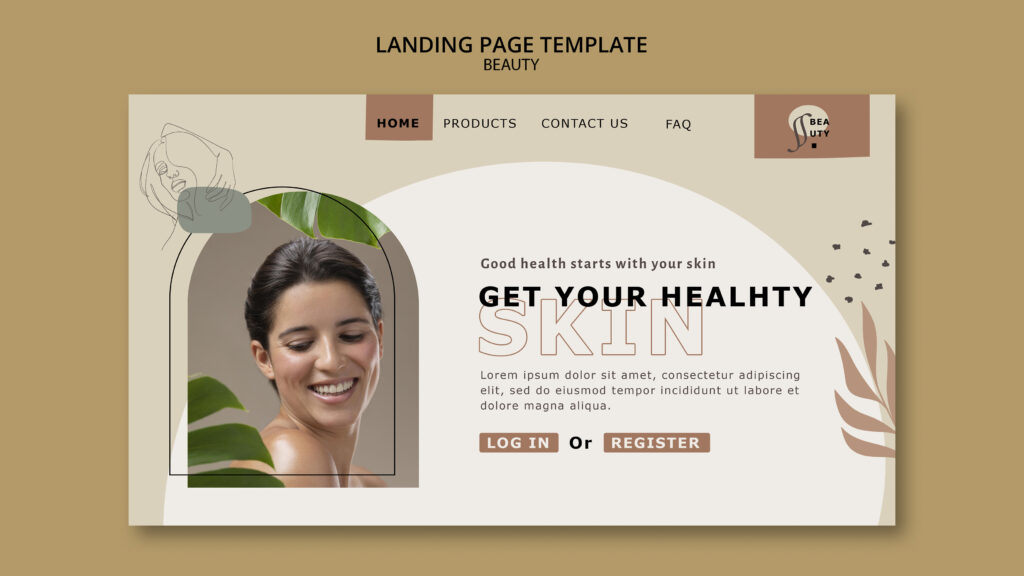
You have a beautiful website, but is it bringing in new clients? A great looking site is just the start. If visitors arrive and then leave without booking an appointment or making an inquiry, your online presence isn’t working as hard as it could be. This is where conversion optimisation strategies come in. It’s the art and science of turning more of your website visitors into actual, paying clients.
Instead of guessing what works, this process uses data and proven tactics to improve your site’s performance. By implementing the right conversion optimisation strategies, you can significantly increase leads, bookings, and revenue, all without needing more traffic. Let’s explore the essential strategies that can transform your website into a powerful client acquisition machine.
The Foundation: Building Unshakeable Trust
Before a visitor will even consider your services, they need to trust you. These foundational strategies establish credibility and make potential clients feel safe and understood.
Start with a Clear Value Proposition
You have within 10 seconds to grab a visitor’s attention. Your value proposition must immediately answer their question: “Why should I choose this clinic?” Be clear and direct. A headline like “Board Certified Skincare in Atlanta, Trusted by 5,000+ Patients” is far more effective than a vague slogan. Websites with a clear, upfront message see lower bounce rates because visitors instantly know they are in the right place.
Showcase Social Proof and Build Credibility
People trust other people. This is why social proof is one of the most powerful conversion optimisation strategies.
- Patient Reviews: Over 80% of patients check online reviews when choosing a provider. Integrating positive testimonials (https://devmart.org/testimonials-and-reviews-website-conversions/) and star ratings directly onto your site can build immediate confidence.
- Staff Bios: Your “About Us” page is more than just a formality. It’s often one of the most visited pages on a clinic site. Use it to build trust by showcasing your team’s qualifications, experience, and friendly, professional photos. Highlighting credentials and a personal touch makes your team feel more relatable and qualified.
- Credentials and Awards: Displaying logos of professional associations, media mentions, or awards provides third party validation and boosts your clinic’s authority.
Be Transparent with Key Information
Nothing frustrates a potential client faster than hidden information. Being upfront with practical details removes friction and builds trust.
- Insurance and Pricing: Since network status is a major decision factor for many patients, clearly listing the insurance plans you accept is critical. While exact pricing can be complex, providing a starting price or a range can significantly improve the user experience.
- Hours and Location: Make your contact details, hours, and address impossible to miss. This basic information assures visitors you are a legitimate, accessible business.
Ensure Accessibility and Security for Everyone
A professional website must be inclusive and secure.
- Accessibility Compliance: About one in four adults in the U.S. has some type of disability. An accessible website (https://devmart.org/website-accessibility-best-practices-2025/), designed to work with screen readers and keyboard navigation, ensures you are not excluding a large portion of potential clients.
- Secure Contact Options: Your website must have an SSL certificate (the little padlock icon) and other essential security features (https://devmart.org/essential-security-features-every-website-needs/). This encrypts data sent through your contact forms, protecting patient privacy. Given that 85% of consumers will not browse an unsecured site, this is a non negotiable element for building trust.
The Experience: Designing for Engagement and Action
These design and user experience (https://devmart.org/ux-ui-improves-website-conversions/) focused conversion optimisation strategies ensure your site is fast, easy to navigate, and visually compelling.
Prioritize Mobile Optimization
Today, your mobile site is your primary site. Of all healthcare searches, 68% are done on a mobile device, and if your site isn’t mobile friendly (https://devmart.org/mobile-first-web-design-tips-2025/), 41% said they’d consider switching to a provider who offered a better digital experience. True mobile optimization means more than just a responsive layout. It involves creating a seamless experience with fast load times, large touch friendly buttons, and easy to read text.
Make Your Website Blazing Fast
Page speed is not a feature, it’s a necessity. If a mobile page takes longer than three seconds to load, over half of users will abandon it. Every second counts. Simple actions like compressing images, using efficient hosting, and cleaning up code can drastically reduce your bounce rate and improve user satisfaction. For step‑by‑step tactics, see this guide to improving website speed for better Google rankings (https://devmart.org/how-to-improve-your-website-speed-for-better-google-rankings/). This is one of the most impactful technical conversion optimisation strategies you can implement.
Optimize Your Above the Fold Content
The content visible without scrolling (above the fold) creates the first impression. This space should contain your clear value proposition, a brief summary of what you do, and a prominent call to action. These are core principles of landing page optimization (https://devmart.org/landing-page-optimization-how-to-turn-clicks-into-customers/). While studies show that nearly all visitors do scroll, the content up top needs to load fast and be compelling enough to make them want to.
Use Authentic, High Quality Images
Generic stock photos can make a business feel impersonal. Use high quality, professional photos of your actual clinic, your staff, and (with consent) your patients. The design look was the most-cited factor in credibility evaluations, appearing in 46.1% of comments, and authentic imagery is a huge part of that. These images should be optimized to ensure they don’t slow down your site.
Let Your Results Speak with Before and After Galleries
For aesthetic clinics, a before and after gallery is a powerful conversion tool. It provides tangible proof of your skills and helps manage patient expectations. 87% of U.S. respondents said before-and-after photographs were important when selecting an aesthetic provider. A well organized gallery can keep visitors engaged and build the confidence they need to book a consultation.
The Nudge: Guiding Visitors to Convert
Once you have a visitor’s trust and attention, you need to gently guide them toward taking the next step. These conversion optimisation strategies focus on clear communication and frictionless pathways to action.
Write Copy That Speaks Directly to Your Patients
Avoid dense medical jargon. Only about 12% of adults have proficient health literacy, so using plain language is essential. Write from the patient’s perspective, focusing on the benefits they care about. Instead of saying “We offer CO₂ laser resurfacing,” try “Achieve smoother, younger looking skin without a long recovery.” This patient centric approach makes visitors feel understood and is far more persuasive.
Master Your Call to Action (CTA)
Your Call to Action buttons are the most important buttons on your site. Small changes to their color, placement, and wording can have a huge impact. One clinic saw a 37.5% increase in leads just by changing a button’s color and making it more prominent. Use clear, action oriented text like “Book My Free Consultation” instead of a generic word like “Submit.”
Streamline Your Lead Forms
Long, complicated forms are a major source of lost leads. Every field you can remove reduces friction. For instance, one study showed that reducing a form from 11 fields to just 4 boosted conversions by an incredible 120%. Only ask for the information you absolutely need. Making a phone number optional instead of required can be a simple but effective tactic.
Make It Easy for Visitors to Connect
- Click to Call: On mobile, your phone number should always be a clickable link. This small feature removes the hassle of copying and pasting a number, making it effortless for a potential client to call you.
- Live Chat and Chatbots: Live chat offers instant answers and has a 92% customer satisfaction rate. It’s a low pressure way for hesitant visitors to ask questions and get the information they need to move forward. A chatbot can handle common questions after hours, ensuring you never miss an inquiry.
Offer Seamless Online Appointment Booking
Modern clients expect convenience. Allowing patients to see your availability and book appointments directly on your website meets this expectation head on. In fact, 43% of patients prefer to book their medical appointments online. Offering this option can reduce no shows (through automated reminders) and even lead to more bookings, as clients can schedule appointments 24/7.
A website that effectively combines these features can dramatically improve its performance. If you need help implementing these systems, the team at DevMart specializes in building conversion focused websites for clinics.
The Magnet: Attracting Highly Qualified Traffic
The best website in the world won’t help if the right people can’t find it. These strategies ensure your site attracts visitors who are actively searching for the services you provide.
Create Service Specific SEO Pages
Instead of one generic services page, create a detailed, optimized page for each individual treatment you offer (e.g., “Botox Injections in London,” “Laser Hair Removal in Manchester”). Pair this with local SEO for clinics (https://devmart.org/local-seo-for-clinics/) to capture high‑intent searches in your city. This allows you to rank higher on Google for specific search queries. About 73% of healthcare website traffic comes from organic search., these pages are essential for casting a wide net and capturing high intent visitors.
Align Your Ad and Landing Page Messaging
If your Google Ad promises “20% Off Laser Treatments,” the headline on the page it links to must also mention that exact offer. This message alignment reassures visitors they are in the right place and reduces your bounce rate. Google also rewards this consistency with a higher Quality Score, which can lower your advertising costs.
The Engine: A Cycle of Continuous Improvement
Effective conversion optimisation strategies are not a one time fix, they are part of an ongoing process of refinement.
Test, Don’t Guess, with A/B Testing
A/B testing (or split testing) is the process of comparing two versions of a webpage element, like a headline or button, to see which one performs better. This data driven approach removes guesswork from your design decisions. For example, testing showed that adding a short “doubt removal” note under a button improved conversions by 12.5%.
Use Analytics to Drive Your Decisions
Tools like Google Analytics are essential. They help you understand how visitors are interacting with your site, which pages are most popular, and where people are dropping off. By regularly reviewing this data, you can identify opportunities for improvement. Companies making intensive use of customer analytics are 2.6 times more likely to have a significantly higher ROI than competitors (45% vs 18%). Treating your website as a living project that is constantly refined is one of the most crucial conversion optimisation strategies for long term success.
Ready to turn your website into your most effective marketing tool? Book a free discovery call with DevMart to learn how our tailored web design and marketing services can help you attract and convert more clients.
Frequently Asked Questions About Conversion Optimisation Strategies
What are the most effective conversion optimisation strategies for a small business?
For a small business or clinic, the most effective strategies are often the foundational ones. Start with a clear value proposition, robust social proof (reviews and testimonials), a mobile optimized and fast loading website, and streamlined contact forms with a clear call to action.
How much does conversion optimisation cost?
The cost can vary widely. You can start with low cost tools like Google Analytics to identify issues yourself. Hiring an agency like DevMart to implement a full suite of conversion optimisation strategies involves an investment, but it is designed to provide a strong return by increasing the value of your existing traffic.
How long does it take to see results?
Some changes, like improving page speed or simplifying a lead form, can show positive results within days or weeks. Other strategies, such as building out service specific SEO pages, are more of a long term investment that builds momentum over several months.
What is a good conversion rate for a website?
A “good” conversion rate depends heavily on your industry, traffic source, and the specific goal (e.g., a form fill vs. a product sale). For many lead generation sites, a rate between 2% and 5% is considered strong, but the goal should always be continuous improvement over your own baseline.
Can I do conversion rate optimisation myself?
Yes, you can certainly start on your own. Using free tools to analyze user behavior, gathering client feedback, and making small, data informed changes to your website is a great starting point for any business owner looking to improve their online results.