
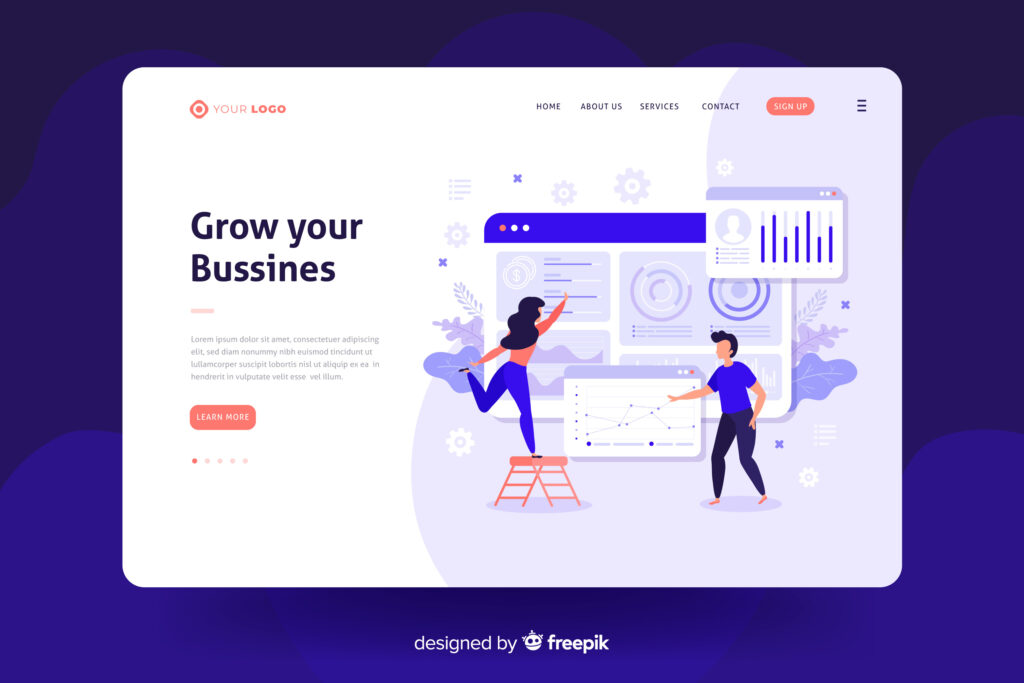
Not all website visitors are the same.
Some just browse. Others are ready to book a consultation immediately. These are high-intent visitors, and 2026 will make them even more important for aesthetic clinics.
A high-intent website is designed to convert these visitors into consultations, not just generate traffic.
Why High-Intent Visitors Matter More Than Ever
Most clinic websites focus on traffic numbers.
However, traffic alone does not pay bills. In contrast, high-intent visitors are already close to making a decision. They want reassurance and a smooth booking process.
Capturing these visitors efficiently is key to increasing revenue.
Key Features of a High-Intent Website
1. Clear Value Proposition
Visitors should instantly understand what makes your clinic unique.
For example:
- Why your treatments are safer
- What makes your practitioners experts
- How your clinic prioritises patient comfort
A clear message reduces hesitation and improves conversion.
2. Easy Navigation
High-intent visitors want answers fast.
Menus should be simple. Treatment pages, booking forms, and contact details must be easy to find. Confusing navigation increases drop-offs.
3. Trust Signals Front and Centre
Trust matters more than ever in aesthetics.
Include:
- Practitioner qualifications
- Before-and-after galleries
- Patient reviews
- Certifications
Trust signals reassure visitors and increase the likelihood of booking.
4. Conversion-Optimised Booking System
A booking system should be simple, mobile-friendly, and fast.
High-intent visitors leave if the process feels complicated. Clear calls to action such as “Book Consultation” or “Speak to a Specialist” reduce friction.
5. Mobile-First Design
Most patients browse on mobile devices.
A high-intent website works perfectly on smartphones. Fast-loading pages, readable text, and touch-friendly buttons all matter.
6. SEO That Attracts High-Intent Queries
It’s not just about traffic.
Optimise your website for:
- “Botox clinic near me”
- “Skin filler consultation London”
- “Best aesthetic clinic Manchester”
Targeting these search terms brings visitors ready to convert.
7. Detailed Treatment Pages
High-intent users want specifics.
Your pages should answer:
- How the treatment works
- Expected results
- Downtime
- Cost ranges
Transparency reduces hesitation.
8. Personalised User Experience
A high-intent website recognises visitor intent.
Dynamic content, suggested treatments, and location-specific messaging guide visitors toward the most relevant options. Personalisation improves conversion rates.
9. Clear Calls to Action
Every page should guide the visitor.
Use buttons, forms, and links that make booking easy. Remove unnecessary distractions and keep the focus on conversion.
10. Analytics for Continuous Optimisation
High-intent websites track behaviour.
Use analytics to see:
- Which pages convert
- Where visitors drop off
- How booking funnels perform
Continuous optimisation ensures consistent growth.
Why High-Intent Websites Beat Generic Designs
Generic websites often focus on aesthetics over action.
High-intent websites focus on the patient journey. They remove friction, build trust, and guide serious visitors to consultations.
The result? More bookings without increasing traffic.
How Devmart Builds High-Intent Websites
At Devmart, we specialise in high-intent design for UK aesthetic clinics.
We combine:
- Conversion-focused layouts
- Local SEO optimisation
- Trust and compliance signals
- Mobile-first user experience
This ensures every visitor has the best chance of becoming a booked patient.
Preparing Your Clinic Website for 2026
To capture high-intent visitors:
- Audit your booking process
- Strengthen trust signals
- Optimise pages for search intent
- Prioritise mobile performance
- Personalise content where possible
Even small improvements can have a big impact.
Final Thoughts
In 2026, traffic alone is not enough.
A high-intent website turns visitors into patients, builds trust, and increases revenue. Clinics that prioritise intent will outperform those chasing clicks.
Smarter websites win.
check our recent case study — click here

Yo, 97winbet is the real deal! Been playing there for a while and the payouts are quick. Solid platform and a decent selection of games. Give 97winbet a shot, you might just like it.