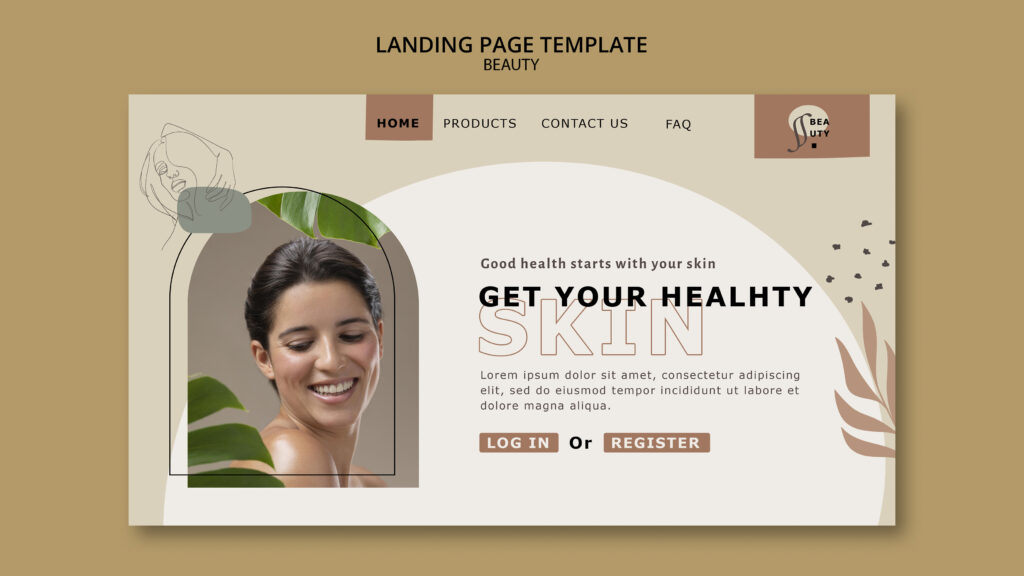

An aesthetic clinic website has two very different audiences.
On one hand, new visitors want reassurance.
On the other hand, returning clients want speed.
Because both groups behave differently, your website design must balance trust and convenience.
When done well, the same website can support both.
Why New and Returning Clients Expect Different Things
First-time visitors feel cautious.
They want to understand:
- Who you are
- Whether you are qualified
- If your clinic feels safe and professional
Returning clients behave differently.
Instead, they want quick access to:
- Booking
- Treatments
- Contact details
For that reason, design must guide each group naturally.
First Impressions Matter for New Clients
New visitors decide quickly.
In fact, most people form an opinion within seconds.
Therefore, your homepage should clearly show:
- Clinic credibility
- Practitioner expertise
- Treatment focus
Without this clarity, trust drops immediately.
Clear Messaging Reduces Uncertainty
New clients often feel unsure.
As a result, unclear messaging creates hesitation.
Simple headlines help.
For example:
- Who the clinic helps
- What treatments you specialise in
- Where you are located
This removes friction early in the journey.
Visual Design Builds Emotional Confidence
Design is not just aesthetic.
It signals quality.
Clean layouts, consistent branding, and calm colours suggest professionalism.
Meanwhile, cluttered pages create doubt.
Because of this, less is often more.
Returning Clients Want Familiarity
Returning visitors already trust you.
They do not need persuasion again.
Instead, they expect:
- Consistent layout
- Easy navigation
- Familiar structure
Sudden design changes can confuse loyal clients.
Navigation Should Serve Both Audiences
Navigation must feel intuitive.
For new clients, it should guide exploration.
For returning clients, it should enable speed.
Therefore, clear menus and logical page grouping matter.
Avoid hiding key actions.
Booking Should Always Be Easy to Find
Booking is the primary goal.
However, it should not overwhelm new visitors.
A balanced approach works best:
- Visible booking buttons
- Calm wording
- No pressure language
This respects both user types.
Trust Signals Support Both Groups
Trust signals help everyone.
For new clients, they build confidence.
For returning clients, they reinforce decisions.
These include:
- Practitioner profiles
- Qualifications
- Reviews
- Real clinic imagery
Consistency strengthens credibility.
Content Depth Should Be Layered
Not everyone wants the same amount of detail.
Therefore, layered content works well.
Use:
- Short summaries for quick readers
- Expandable sections for deeper research
This supports different behaviours without clutter.
Mobile Design Is Critical for All Clients
Most users browse on mobile.
New clients often research on phones.
Returning clients frequently book on phones.
As a result, mobile-first design is essential.
Buttons, text, and forms must be easy to use.
Speed Improves Experience for Everyone
Slow websites frustrate users.
New clients lose patience.
Returning clients lose convenience.
Because of this, optimisation matters just as much as design.
Personalisation Helps Returning Clients Feel Valued
Returning visitors appreciate recognition.
For example:
- Saved preferences
- Familiar treatment paths
- Easy repeat booking
Small touches improve loyalty.
Design Consistency Builds Brand Memory
Consistency builds recognition.
When your website, social media, and clinic visuals align, trust increases.
As a result, clients feel more confident choosing you again.
Clear Calls to Action Guide Both Groups
Calls to action should feel natural.
New clients need reassurance-based CTAs.
Returning clients need action-based CTAs.
Using different wording supports both without confusion.
Analytics Help Balance Both Experiences
Behaviour tracking shows patterns.
You can see:
- Where new visitors hesitate
- Where returning clients speed through
This insight supports ongoing improvement.
How High-Performing Clinics Balance Both Audiences
Successful clinics:
- Design for clarity first
- Prioritise usability
- Maintain consistency
- Optimise continuously
They do not design for one audience only.
How Devmart Approaches Dual-Audience Website Design
At Devmart, we design with intent.
We balance:
- Trust-building for new visitors
- Efficiency for returning clients
- SEO-friendly structure
- Conversion-focused flow
This approach supports long-term clinic growth.
Final Thoughts
New clients want confidence.
Returning clients want convenience.
The best aesthetic clinic websites deliver both — without compromise.
When design supports every stage of the client journey, bookings follow naturally.
check our recent case study — click here