Introduction
Your website is more than just a digital brochure; it’s the primary expression of your brand online. While a visually appealing site is a good start, true success lies in the power of a cohesive brand identity. For aesthetic clinics and small businesses, mastering branding in web design is essential. It’s the art of telling your story, building an emotional connection with potential patients, and establishing a professional, trustworthy presence that makes them choose you over the competition.
The Foundation of Your Business: Branding in Web Design
Brand identity is the collection of all visual and psychological elements that represent your business. When applied to your website, these elements create a unified and memorable experience. A strong brand identity doesn’t just make your clinic look good; it communicates your values, personality, and expertise instantly, influencing a visitor’s decision-making process before they’ve even read a single word.
Why a Strong Brand Identity is Non-Negotiable
A cohesive brand is a powerful asset. Here’s why focusing on branding in web design is critical for your clinic’s success:
Builds Trust and Credibility: A professional, consistent brand makes your clinic look more established and reliable. It signals that you are an expert in your field and pay attention to detail. This is a cornerstone of how a well-designed website can skyrocket your brand’s credibility.
Creates a Lasting Impression: In a crowded market, a unique brand helps you stand out. When visitors remember your aesthetic, your color palette, and your tone of voice, they are more likely to return.
Attracts Your Ideal Patient: Your brand identity acts as a filter. It attracts people who resonate with your style and values while gently discouraging those who aren’t a good fit. This results in a better patient-clinic relationship from the start.
Improves User Experience (UX): A cohesive brand makes navigation feel more intuitive and the overall experience more pleasant. In fact, consistent design and messaging reduce cognitive load and confusion.
Key Elements of Branding in Web Design
So, what are the building blocks of a powerful brand identity on your website?
- Logo and Visual Identity
Your logo is the centerpiece of your brand, but your visual identity extends far beyond it. This includes the consistent use of branded elements across your site, from icons to illustrations. Every visual choice should align with your brand’s core values. - Color Palette
Colors evoke powerful emotions and associations. For a clinic, a brand color palette can communicate trust, cleanliness, calm, or sophistication. For example, blues often convey trust, while greens suggest nature and health. The psychology behind these choices is critical to your brand’s message. (Dive deeper into this with our guide on the psychology of web design). - Typography (Fonts)
Fonts have personality. A sleek, modern font suggests innovation and professionalism, while a more classic, serif font might convey tradition and trustworthiness. Using a consistent font family across your website reinforces a polished, professional look. - Imagery and Tone of Voice
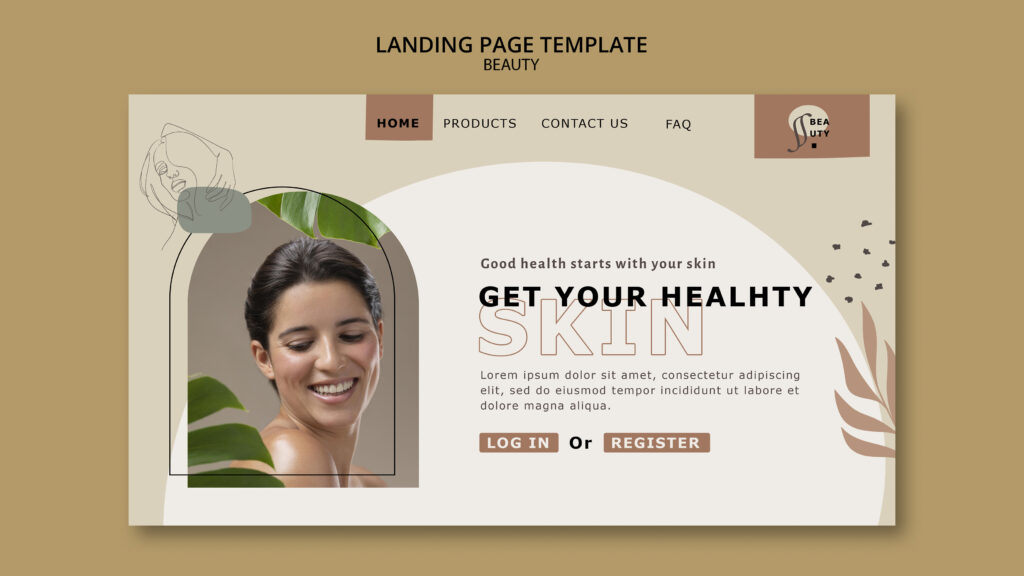
The photos and videos you use on your site should reflect your brand’s personality and the experience you offer. Do they showcase a serene, welcoming environment? Are your patients smiling and confident? Your written content and tone of voice should match, whether it’s friendly and informative or formal and clinical.
The Dangers of Inconsistent Branding
When your brand identity is inconsistent, it creates confusion and erodes trust. For instance, a website with a professional, clean design but a disjointed social media presence or different color palettes on various pages can appear unprofessional or even untrustworthy. This breaks the cohesive experience that builds confidence and can negatively impact your website conversion strategies. Consistency across all touchpoints is an essential feature of a trustworthy website.
FAQs
What’s the difference between a brand and a brand identity?
A brand is the overall feeling, reputation, and perception a customer has of your business. Brand identity, on the other hand, is the tangible expression of that brand—the logo, colors, fonts, and visual style that you create to shape that perception. Strong branding in web design ensures your brand identity effectively communicates the essence of your brand.
How can a small business afford a strong brand identity?
A strong brand identity doesn’t require a massive budget; it requires a clear strategy. By working with a professional web design and marketing agency, you can define your brand’s core message and visual elements from the start. This prevents costly rebranding down the line and creates a more professional, effective presence that attracts more patients.
Can I change my brand identity later?
While you can evolve your brand identity over time, it’s best to establish a solid foundation from the beginning. Significant changes can confuse your existing patient base and require a complete website redesign, so it’s best to get it right the first time.
Conclusion
Mastering branding in web design is not an optional extra—it’s a critical investment in your clinic’s long-term success. By carefully curating every visual and emotional element on your website, you can create a powerful brand identity that builds trust, attracts your ideal patients, and sets you apart in a competitive market.
Ready to create a beautiful, high-converting website with a brand identity that truly shines? DevMart specializes in crafting bespoke web design and branding strategies that help aesthetic clinics and small businesses grow.
Book a discovery call with DevMart today and let’s define your clinic’s unique brand story!