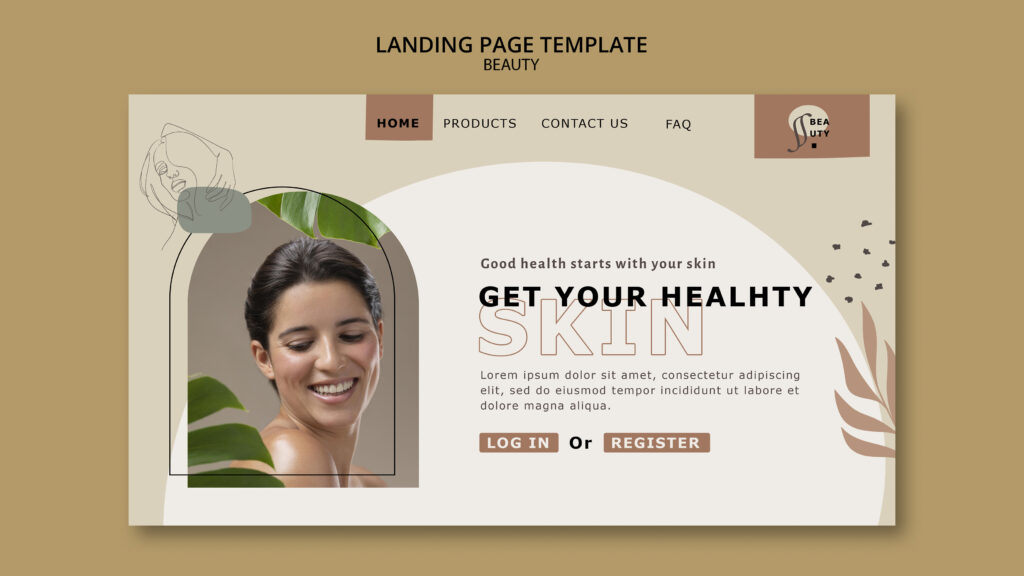

Many aesthetic clinics face the same daily problem.
The phone rings.
Emails arrive.
DMs pile up.
Surprisingly, most enquiries ask the same questions again and again.
While enquiries are positive, repetition wastes valuable time.
Fortunately, your website can solve this.
Why Repetitive Enquiries Happen in the First Place
Most repetitive questions are not random.
Instead, they appear when information is unclear or hard to find.
For example, clients often ask about:
- Prices
- Treatment suitability
- Downtime
- Consultation process
When answers are missing or vague, people reach out directly.
Your Website Is Often the First Line of Support
Before contacting a clinic, most clients visit the website.
However, if the site does not answer their questions clearly, they look for reassurance elsewhere.
As a result, staff time gets consumed by preventable enquiries.
Clear Service Pages Reduce Unnecessary Questions
Well-structured service pages do a lot of heavy lifting.
They explain:
- Who the treatment is for
- What results to expect
- How long recovery takes
- What happens next
Because of this clarity, fewer people need to ask basic questions.
FAQs Should Be Strategic, Not Generic
Many clinics use FAQs.
Unfortunately, they often feel rushed or incomplete.
Effective FAQs focus on real client concerns.
By addressing common objections early, clinics reduce back-and-forth communication.
Pre-Qualification Content Filters Enquiries
Not every enquiry is suitable.
For this reason, pre-qualification content is powerful.
Examples include:
- “Who this treatment is not suitable for”
- “What we assess during consultation”
- “Minimum age or health requirements”
This helps set expectations before contact happens.
Pricing Transparency Reduces Price-Shopping Messages
Price-related enquiries are common.
However, hiding prices creates more questions.
Clear pricing guidance builds trust and reduces unnecessary emails.
Even when full pricing is not listed, ranges and explanations help.
Treatment Comparison Pages Save Time
Clients often ask which treatment is best.
Rather than answering repeatedly, comparison pages work well.
They explain differences clearly.
As a result, clients arrive better informed.
Educational Content Builds Confidence Early
Educational content reduces uncertainty.
Blogs, guides, and videos answer questions before they are asked.
Over time, this significantly reduces repetitive enquiries.
Additionally, educated clients tend to convert better.
Booking Pages Should Explain the Process Clearly
Confusion often surrounds consultations.
Therefore, booking pages should clearly explain:
- What happens before the appointment
- What happens during
- What happens after
Clear steps reduce follow-up questions.
Forms Can Capture Key Information Upfront
Smart forms reduce email chains.
Instead of open-ended questions, guided forms work better.
They collect:
- Treatment interest
- Concerns
- Medical suitability
This saves time for both clients and staff.
Chat Tools Should Support, Not Replace Clarity
Live chat can help.
However, it should not replace good content.
When websites rely too heavily on chat, repetitive questions increase.
Strong on-page answers should come first.
Visual Content Reduces Misunderstandings
Images and short videos explain more than text alone.
Before-and-after galleries, treatment walkthroughs, and practitioner videos clarify expectations.
As a result, fewer clarification questions appear.
Returning Clients Need Fast Access to Answers
Returning clients ask fewer questions.
However, they want quick confirmation.
Easy access to:
- Aftercare guidance
- Booking links
- Contact details
reduces unnecessary messages.
Internal Linking Helps Visitors Self-Navigate
When content connects properly, users explore on their own.
Internal links guide visitors naturally.
This reduces the need for direct enquiries.
Analytics Reveal Repetitive Question Triggers
Website analytics show patterns.
If visitors repeatedly leave certain pages, information may be missing.
Fixing those gaps reduces future enquiries.
High-Performing Clinics Design for Efficiency
Successful clinics:
- Anticipate questions
- Provide answers early
- Reduce friction
- Respect staff time
They let the website do the explaining.
How Devmart Helps Clinics Reduce Enquiry Overload
At Devmart, we design websites that work smarter.
We focus on:
- Clear service structure
- SEO-friendly educational content
- Conversion-focused layouts
- Reduced admin burden
This approach saves time while improving enquiry quality.
Final Thoughts
Repetitive enquiries are not a staffing problem.
They are usually a website problem.
When your site answers questions clearly, confidently, and early, your team regains time — and clients feel more informed.
That is a win on both sides.
check our recent case study — click here