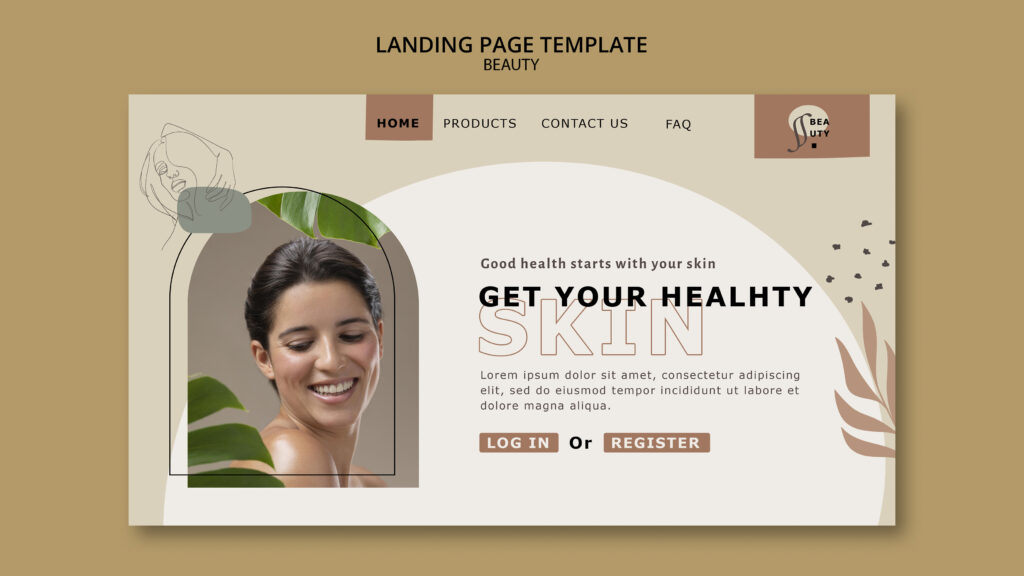

For most aesthetic clinics, the first interaction no longer happens at the front desk.
Instead, it begins online.
Before a phone call is made or a consultation is booked, potential clients explore your website. During that time, they decide whether your clinic feels trustworthy, professional, and approachable.
For this reason, your website should function like a digital receptionist.
Your Website Makes the First Impression
In today’s client journey, research happens quietly.
Visitors scroll, read, and compare.
If the website feels unclear, confidence drops quickly.
However, when information is presented calmly and clearly, trust starts to form.
First impressions now happen digitally.
Just Like a Receptionist, Your Website Must Be Helpful
A good receptionist anticipates common questions.
Similarly, a well-designed website answers them before they are asked.
Most visitors want clarity around:
- Available treatments
- Suitability and expectations
- Pricing guidance
- The consultation process
When answers are easy to find, hesitation reduces.
Clear Guidance Helps Filter Enquiries
Not every visitor is the right client.
That is completely normal.
By explaining processes clearly, your website helps visitors self-qualify.
As a result, enquiries become more relevant and serious.
Better filtering saves valuable clinic time.
Tone Shapes Trust From the Start
Receptionists use calm, reassuring language.
Your website should follow the same principle.
Aggressive sales messaging creates pressure.
On the other hand, supportive guidance builds comfort.
Tone directly affects how safe your clinic feels.
Direction Prevents Drop-Offs
A receptionist never leaves someone guessing.
Likewise, your website should always provide direction.
Visitors should clearly understand:
- What step comes next
- How to book
- What happens after enquiring
Without guidance, users often leave.
Treatment Pages Should Feel Conversational
Effective receptionists explain things simply.
The same approach works online.
Short sections, clear headings, and scannable content improve understanding.
Long, dense paragraphs do the opposite.
Clarity improves confidence.
Booking Pages Need Reassurance, Not Pressure
Booking a consultation can feel intimidating.
Therefore, reassurance is essential.
Gentle reminders such as consultation requirements and suitability checks reduce anxiety.
This creates a supportive experience rather than a transactional one.
Comfort leads to action.
Trust Signals Replace Face-to-Face Interaction
In-clinic, receptionists build rapport naturally.
Online, trust signals do that job instead.
Strong trust signals include:
- Practitioner profiles
- Real clinic photography
- Reviews and testimonials
- Professional credentials
Together, these elements reassure visitors.
FAQs Reduce Repetitive Enquiries
Receptionists often answer the same questions repeatedly.
FAQs perform that role online.
They clarify expectations while reducing admin workload.
At the same time, they improve the user experience.
Helpful content supports trust.
Pricing Guidance Sets the Right Expectations
Clear pricing conversations prevent awkward moments.
Your website should support that transparency.
While exact prices may vary, guidance helps visitors prepare.
Prepared clients are more confident clients.
Confidence improves conversions.
Mobile Experience Is the New Front Desk
Most visitors access websites on mobile devices.
Therefore, mobile usability is essential.
If the site feels slow or cluttered, trust drops instantly.
A smooth mobile experience reflects professionalism.
Presentation matters everywhere.
Automation Still Needs a Human Feel
Forms and chat tools are useful.
However, language matters.
Friendly prompts outperform robotic instructions.
Human-centred wording feels more welcoming.
Technology should feel supportive.
Safety and Consent Messaging Supports Reception Work
Receptionists explain policies clearly and calmly.
Websites should do the same.
Visible safety and consent information builds credibility.
It also reduces misunderstandings later in the journey.
Clarity protects both clinic and client.
Your Website Sets Consultation Expectations
Clients arrive with assumptions already formed.
Those assumptions usually come from your website.
Clear explanations lead to better conversations.
Better conversations lead to better outcomes.
Preparation improves experiences.
A Digital Receptionist Works Around the Clock
Unlike your physical reception desk, your website never closes.
It supports visitors day and night.
By guiding, reassuring, and informing consistently, it improves lead quality.
Availability becomes an advantage.
What High-Performing Clinics Do Differently
Successful clinics design websites that:
- Guide rather than push
- Explain rather than oversell
- Build trust gradually
- Feel human, not mechanical
This approach attracts serious enquiries.
How Devmart Designs Websites That Support Clinics
At Devmart, we treat websites as extensions of your team.
Every page is designed to guide like a real conversation.
Our approach improves:
- Enquiry quality
- Consultation readiness
- Booking confidence
A strong website supports staff, not replaces them.
Final Thoughts
Your website is not just a marketing tool.
It is your digital receptionist.
When it communicates clearly and calmly, clients feel confident.
Confident clients book consultations.
In 2026, clinics that design websites for human behaviour will stand out.
check our recent case study — click here