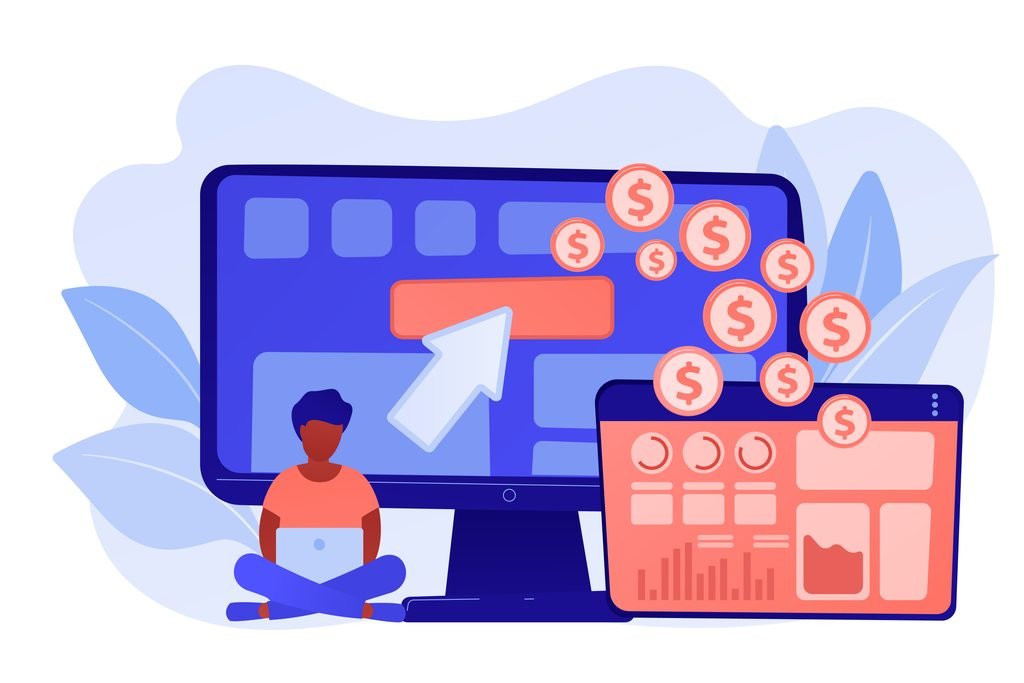
Micro-conversions for clinics are the small actions that show a visitor is interested, long before she books. Examples include reading a treatment page to the end, viewing your pricing, or starting an enquiry form. Because most patients need time to decide, these early signals often reveal far more than the final booking numbers alone. This guide explains what micro-conversions are, which ones are worth tracking, how to set them up without invading privacy, and how to use them to find and fix the leaks in your patient journey.
What a Micro-Conversion Is
A conversion is an action you want a visitor to take. Overall, there are two kinds.
- Macro-conversions are the main goals, such as an enquiry, a phone call, an online booking, or an attended appointment.
- Micro-conversions are smaller steps on the way, such as viewing a practitioner profile or opening the contact form.
A micro-conversion isn’t a patient, and it isn’t revenue. However, it’s a clue that someone is moving closer to a decision. So you can use these clues to understand the journey, not to replace the main goals.
Why They Help a Clinic
Clinics face two problems, so micro-conversions are especially useful.
- Small numbers. A clinic may receive only a handful of enquiries each month. As a result, it’s hard to tell whether a change helped. Micro-conversions happen more often, so they give you more data to compare.
- Long decisions. Patients often visit several times, compare clinics, and talk to friends. Therefore, many visits end without an enquiry, yet they still carry useful signals.
With these signals, you can therefore do four things.
- Find the exact step where visitors stop.
- Judge whether a page change improved engagement.
- Also spot pages that attract interest but fail to move people on.
- Finally, understand which content helps patients decide.
Which Micro-Conversions for Clinics Are Worth Tracking
First, choose actions that really signal interest. The table below groups common examples by what they suggest.
| Micro-conversion | What it may signal | How you might use it |
|---|---|---|
| Reading most of a treatment page | Genuine interest in the treatment | Compare engagement across treatment pages |
| Opening the FAQ or “what to expect” section | A search for reassurance | Check whether your answers keep visitors moving |
| Viewing the pricing page | Cost consideration | Find where price worries may stop people |
| Viewing practitioner profiles | A need to trust the team | Judge how well your team pages support decisions |
| Tapping directions or the map | Intent to visit | Check whether local visitors are ready |
| Starting the enquiry form | Strong intent | Find leaks inside the form |
| Opening chat or tapping the phone number | Intent to contact | Measure contact interest before the final enquiry |
| Downloading a guide or joining a newsletter | Early-stage interest | Nurture hesitant visitors, with consent |
| Returning for a second visit | Continued consideration | Compare returning and new visitors |
You don’t need all of them, so pick four to six that suit your site.
Keep Micro-Conversions Honest
However, not every small action matters. Some are easy to inflate, so they can mislead you.
- A video that plays automatically will record plays that nobody chose.
- A pop-up that people close by mistake can create clicks that mean nothing.
- Scrolling quickly to the bottom isn’t the same as reading.
To avoid this, check each micro-conversion against reality. Next, look at patients who enquired, and ask whether they usually performed that action first. If they did, it’s a useful signal. If they didn’t, it may be noise. Our post on tracking website visitors explains the basics of events.
An Illustrative Example
For example, the numbers below are made up to show the method. They aren’t benchmarks.
| Step on a treatment page | Visitors | Share of previous step |
|---|---|---|
| Landed on the page | 1,000 | Not applicable |
| Scrolled most of the page | 420 | 42% |
| Viewed pricing or “what to expect” | 180 | About 43% |
| Started the enquiry form | 60 | About 33% |
| Sent the enquiry | 36 | 60% |
From these figures, 3.6% of visitors enquired. However, the table also shows where the biggest leaks sit. Fewer than half of visitors read most of the page, while only a third of those who viewed pricing went on to start the form. So the next improvement might be the page opening, or the pricing explanation. Without the micro-conversions, you’d only see “3.6%”, and you wouldn’t know where to look.
How to Set Up Micro-Conversions
Features and menu names change, so follow the current layout in your tools.
- List the steps in your patient journey. First, write down the stages from first visit to attended appointment.
- Choose four to six micro-conversions. Then keep only those that signal real interest.
- Create events in your analytics tool. Next, use clear, generic names, such as “pricing_view”, “faq_open”, or “form_start”.
- Keep key events for the main goals. Mark enquiries, calls, and bookings as your key events. Treat micro-conversions as supporting events, so they don’t blur your main numbers.
- Test each event. Try it on a phone and a computer, then confirm that it fires once.
- Record a baseline. Note the numbers for several weeks before you change anything.
Our post on page conversion tracking for clinics explains how to link these events to landing pages.
How to Use the Results
Once the data flows in, put it to work.
- Build a funnel. Our post on conversion funnels for clinics shows how to chart the steps.
- Compare pages. See which treatment pages keep visitors moving, and which lose them.
- Compare devices and sources. Also, a gap between phone and desktop often points to a mobile problem.
- Choose one fix. Improve the step with the biggest drop, then measure again.
- Check the end result. Finally, confirm that more engagement leads to more enquiries and attended appointments.
For example, if many visitors view pricing but few start the form, work on your pricing explanation and form. Our posts on the clinic pricing page and enquiry form fields cover those fixes.
Don’t Optimise for Micro-Conversions Alone
However, small actions are useful only if they lead to real patients.
- More newsletter signups don’t help if nobody books.
- Longer time on the page isn’t always a good sign, because it may mean confusion.
- A higher scroll rate doesn’t matter if the booking button stays hidden.
So always connect micro-conversions back to enquiries, bookings, and attendance. If a micro-conversion rises while the main goals stay flat, then it’s probably not a useful signal.
Privacy: Be Especially Careful
Micro-conversions on treatment pages can reveal health-related interests. As a result, clinics need extra care.
- Follow consent rules in your region before you run analytics or tracking tools.
- Keep names, contact details, and health details out of analytics, page addresses, and event labels.
- Don’t send treatment-interest events to advertising platforms, because platform and privacy rules often restrict health-related audiences.
- Also avoid building profiles of individual visitors based on the treatments they viewed.
- Keep patient-level booking and attendance data inside your secure systems, so marketing tools see only summaries.
- Limit staff access, and remove it when people leave.
- Follow your regulator’s rules on advertising treatments and handling enquiries.
Rules vary by country, so ask a qualified adviser to review your setup.
Common Mistakes
- Tracking everything. Too many events create noise, so choose a few.
- Treating micro-conversions as revenue. They’re signals, not patients.
- Counting automatic actions. Autoplay and accidental clicks distort the data, because nobody chose them.
- Ignoring the main goals. Enquiries and attendance still matter most, because they are the real goal.
- Putting sensitive details into event names. This risks privacy problems.
- Judging tiny samples. A few events can mislead, so wait for more data.
- Skipping tests. Broken events produce false conclusions, so test first.
- Never acting on the findings. Data without a change is just a report.
A Simple Plan
- First week: Map your patient journey, and pick four to six micro-conversions that fit it.
- Second week: Set up the events, test them on a phone and a computer, and check your consent setup.
- Third week: Build a simple funnel for your top treatment page, and note your baseline.
- Fourth week: Find the biggest drop, choose one fix, and review the results after a few weeks.
The Takeaway
Micro-conversions for clinics are small actions, such as reading a treatment page, viewing pricing, or starting a form, that show interest before a booking. They help because clinics have small numbers and long decisions, so early signals reveal where visitors stop. Track only a handful, check that each one genuinely signals interest, and keep your main goals as the real measure of success. Above all, protect patient privacy, and use the results to fix one step at a time.
Want to see where patients drop off before they enquire? [Book a free website audit] and we’ll set up the right tracking and review your key pages.