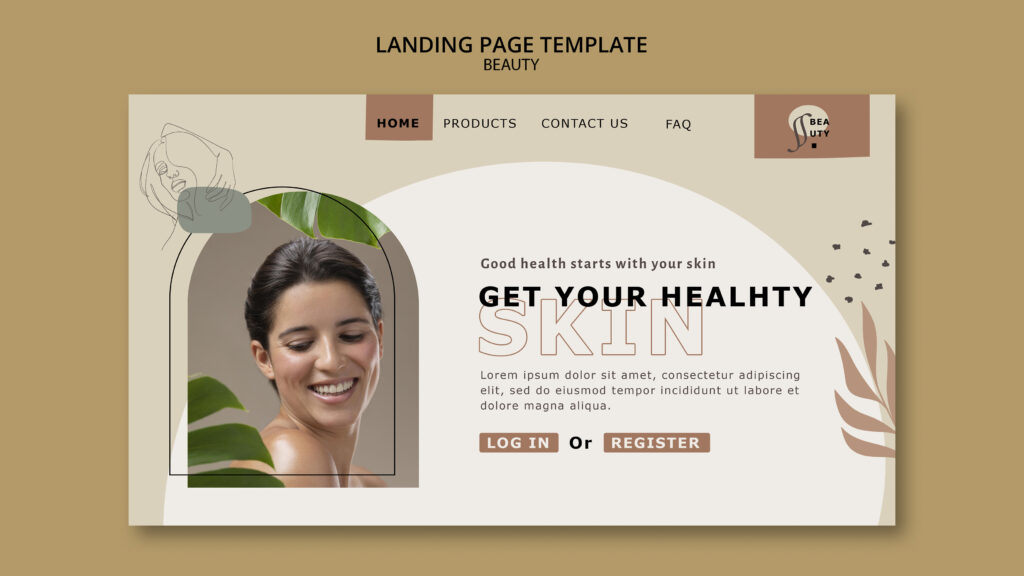

Most aesthetic clinic websites already have plenty of words.
In fact, many have too many.
However, when trust feels low, the instinct is often to add more explanations, more FAQs, or longer treatment pages. Unfortunately, that rarely fixes the real issue.
Trust is not built by text alone.
Instead, it is shaped by design, structure, and signals.
In this article, we’ll explore how aesthetic clinics can improve website trust without adding a single extra paragraph.
Why More Text Often Reduces Trust
Long pages do not automatically feel reassuring.
Sometimes, they do the opposite.
When visitors feel overwhelmed, they skim.
When they skim, they miss key points.
As a result, confidence drops.
Therefore, improving trust often means refining, not expanding.
Trust Is Built Before Anything Is Read
Visitors form opinions within seconds.
At that point, they have not read your content.
Instead, they react to:
- Layout
- Visual clarity
- Professional polish
- Consistency
These signals decide whether a clinic feels safe.
Clean Layouts Instantly Increase Credibility
A cluttered website feels risky.
A clean website feels controlled.
Spacing, alignment, and hierarchy all matter.
When pages breathe, visitors relax.
As a result, information feels easier to trust.
Consistent Design Builds Subconscious Confidence
Inconsistent fonts, colours, or button styles create doubt.
Even if the content is accurate, inconsistency feels careless.
Consistency signals professionalism.
Professionalism signals safety.
This happens without a single word being read.
High-Quality Images Do More Than Explain
Images are trust signals.
Poor-quality visuals damage credibility instantly.
On the other hand, clear, well-lit, professional imagery reassures visitors.
This applies to both:
- Clinic spaces
- Practitioners
Importantly, authenticity matters more than perfection.
Practitioner Visibility Builds Trust Faster Than Text
Seeing who provides the treatment reduces uncertainty.
Faces humanise the clinic.
Credentials support credibility.
Professional photos reinforce authority.
Together, these elements replace paragraphs of explanation.
Navigation Affects Trust More Than Content Length
Confusing menus create friction.
When visitors struggle to find information, doubt grows.
Clear navigation shows organisation.
Organisation suggests competence.
Therefore, structure matters as much as content.
Visual Hierarchy Guides Confidence
Not all information is equal.
Visual hierarchy helps visitors understand what matters most.
Headings, spacing, and contrast guide attention.
This reduces cognitive effort.
As a result, the website feels easier and safer to use.
Loading Speed Is a Trust Factor
Slow websites feel unreliable.
Visitors associate delays with poor quality.
Fast-loading pages feel modern and professional.
They also feel safer.
This improvement requires optimisation, not extra text.
Mobile Experience Shapes Perceived Quality
Many clients browse on mobile first.
If the mobile experience feels awkward, trust drops.
Buttons must be easy to tap.
Text must be readable.
Layouts must adapt smoothly.
A polished mobile experience builds confidence quietly.
Subtle Trust Signals Work Better Than Long Explanations
Trust badges, accreditations, and certifications matter.
However, placement is key.
When shown naturally, they reinforce safety.
When overused, they feel forced.
Subtlety builds credibility.
Before-and-After Galleries Should Feel Responsible
Design affects how results are perceived.
Clean layouts feel ethical.
Clear disclaimers support trust.
Consistent image quality avoids suspicion.
Presentation matters more than volume.
Forms Can Increase or Destroy Trust
Booking forms reveal a lot about a clinic.
Long, clunky forms feel intrusive.
Short, clear forms feel respectful.
Logical steps feel considered.
As a result, visitors feel more comfortable submitting details.
Micro-Interactions Improve Reassurance
Small details matter.
Hover effects, confirmation messages, and smooth transitions reassure users.
These micro-interactions show care.
Care builds trust.
None of this requires extra words.
Tone Is Communicated Visually First
Even before reading, tone is felt.
Colour choices influence emotion.
Neutral palettes suggest calm.
Balanced contrast suggests clarity.
Design sets expectations before language does.
White Space Is a Trust Tool
White space reduces pressure.
It gives content room to exist.
Busy pages feel sales-driven.
Calm pages feel professional.
Trust grows in calm environments.
Clear Calls to Action Feel Safer
Aggressive CTAs create resistance.
Reassuring CTAs feel supportive.
Design choices influence this:
- Button colour
- Placement
- Size
The goal is guidance, not pressure.
Social Proof Works Better When Designed Well
Reviews matter.
However, presentation matters more.
Clean layouts feel genuine.
Overcrowded testimonials feel staged.
Design determines believability.
Consistency Across Pages Reinforces Reliability
When every page feels connected, trust builds.
When pages feel mismatched, doubt appears.
Consistency suggests intention.
Intention suggests professionalism.
Analytics Often Reveal Trust Issues
High bounce rates are trust signals.
So are short session times.
Often, the issue is not content.
Instead, it’s clarity, speed, or layout.
Fixing these improves trust without rewriting copy.
Why Less Text Often Converts Better
When trust is high, less explanation is needed.
Visitors feel guided, not convinced.
Clarity replaces persuasion.
Confidence replaces reassurance.
This shift improves both trust and conversions.
How High-Performing Clinics Approach Trust
Successful clinics focus on:
- Design clarity
- Visual professionalism
- User experience
- Consistency
Text supports trust, but does not carry it alone.
How Devmart Builds Trust Without Overwriting
At Devmart, we prioritise trust-first design.
We optimise structure before adding content.
Our focus includes:
- Clean layouts
- Clear journeys
- Fast performance
- Medical credibility
As a result, clinics convert better without longer pages.
Final Thoughts
Trust is rarely missing because of weak wording.
More often, it’s missing because of poor signals.
Design, structure, and experience speak louder than text.
When these elements align, trust increases naturally.
In 2026, clinics that simplify will outperform those that over-explain.
check our recent case study — click here