Introduction
Your homepage is not just a welcome page.
In reality, it is a trust test.
Most aesthetic clinic visitors decide within seconds whether they feel safe.
Because of this, first impressions matter more than ever.
If trust is not built quickly, visitors leave without exploring further.
patients research carefully.
They compare clinics, read reviews, and judge professionalism instantly.
Therefore, your homepage must reassure before it sells.
This guide explains how aesthetic clinics can use their homepage to instantly build trust and encourage visitors to take the next step.
Why Trust Matters More Than Design Alone
A beautiful website does not guarantee trust.
In aesthetics, credibility always comes first.
Patients are not buying products.
Instead, they are choosing who will treat their face or body.
Because of this, emotional reassurance matters.
If your homepage feels unclear, sales-focused, or generic, doubt appears.
Once doubt sets in, conversion stops.
Trust is the foundation of every successful aesthetic website.
Clear Identity Above the Fold
Visitors should immediately know who you are.
This must happen without scrolling.
Your homepage should clearly display:
- Clinic name
- What you specialise in
- Where you are located
Avoid vague headlines.
Instead, use simple, direct messaging.
For example, clearly state that you are a UK aesthetic clinic offering professional treatments.
Clarity reduces anxiety instantly.
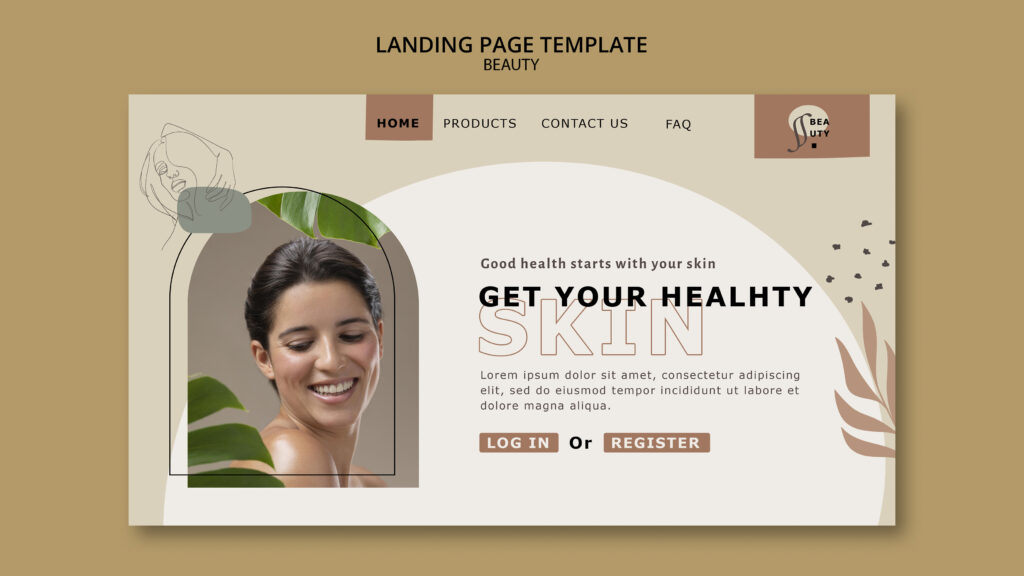
Professional Imagery Creates Confidence
Images influence emotion faster than words.
Because of this, visuals must feel real and professional.
Use images that show:
- Your clinic environment
- Your practitioners
- Real treatment settings
Avoid heavy filters or stock photos.
Patients can spot them easily.
Authentic imagery builds confidence before any text is read.
Introduce the Practitioner Early
Patients want to know who is behind the clinic.
Therefore, practitioner visibility is essential.
Your homepage should include:
- Practitioner name
- Professional title
- A friendly photo
This human connection reassures visitors.
As a result, the clinic feels personal, not corporate.
Trust grows when faces are visible.
Simple, Reassuring Language
Homepage copy should feel calm.
Overly promotional language creates pressure.
Use wording that is:
- Clear
- Balanced
- Informative
Avoid exaggerated claims.
Instead, focus on experience, safety, and care.
When language feels honest, patients relax.
Visible Trust Signals Matter
Trust signals should not be hidden.
They should be easy to spot.
Effective homepage trust signals include:
- Professional qualifications
- Years of experience
- Awards or accreditations
- Patient review snippets
These elements reassure visitors quickly.
As a result, hesitation decreases.
Clear Navigation Reduces Anxiety
Confusing menus create stress.
Patients do not want to search for information.
Your homepage navigation should be:
- Simple
- Predictable
- Easy to understand
Limit menu options.
Guide users clearly toward treatments, about pages, and contact options.
Clear navigation feels professional and safe.
Before-and-After Teasers (Used Carefully)
Before-and-after images are powerful.
However, they must be used responsibly.
On the homepage:
- Use a small preview
- Avoid overwhelming galleries
- Include disclaimers
This approach sparks interest without pressure.
At the same time, compliance is maintained.
Subtle presentation builds trust faster than aggressive display.
Reviews Build Social Proof Instantly
Patients trust other patients.
Because of this, reviews matter.
Your homepage should include:
- Real patient testimonials
- Google or platform ratings
Keep reviews short and relevant.
Place them where users naturally look.
Social proof reassures visitors emotionally.
Clear Calls to Action Without Pressure
Calls to action guide behaviour.
However, they should not feel pushy.
Effective homepage CTAs include:
- “Book a consultation”
- “Speak to our team”
- “Learn more about treatments”
Avoid aggressive language.
Instead, offer gentle next steps.
This approach respects patient decision-making.
Mobile Experience Influences Trust
Most visitors arrive on mobile.
If your homepage feels awkward, trust drops.
Mobile-friendly homepages:
- Load quickly
- Display clean layouts
- Use easy-to-tap buttons
Smooth mobile experience signals professionalism.
As a result, users stay longer.
Speed Impacts Perception
Slow websites feel unreliable.
Even small delays reduce confidence.
Optimised homepages:
- Load quickly
- Use compressed images
- Avoid unnecessary elements
Speed creates a sense of competence.
Therefore, performance directly affects trust.
Compliance Builds Invisible Trust
Patients may not notice compliance directly.
However, they feel its absence.
Your homepage should:
- Avoid misleading claims
- Use balanced wording
- Respect UK advertising rules
Compliance signals professionalism.
As a result, visitors feel safe without realising why.
Consistent Branding Strengthens Confidence
Consistency reassures the brain.
Your homepage should match the rest of your website.
This includes:
- Colours
- Tone of voice
- Visual style
When branding feels cohesive, trust increases naturally.
Why Specialist-Built Homepages Perform Better
General websites often miss these details.
Specialist aesthetic agencies understand patient psychology.
They design homepages that:
- Reassure before selling
- Guide without pressure
- Build confidence quickly
As a result, bounce rates drop and enquiries rise.
How Devmart Designs Trust-First Homepages
Devmart builds homepages specifically for UK aesthetic clinics.
We focus on trust before traffic.
Our approach includes:
- Clear messaging
- Strong trust signals
- Mobile-first layouts
- SEO-friendly structure
Because of this, clinics convert more visitors into consultations.
Final Thoughts
Your homepage sets the emotional tone for your clinic.
Within seconds, visitors decide whether to trust you.
By focusing on clarity, authenticity, and reassurance:
- Anxiety decreases
- Engagement increases
- Conversions improve
the most successful aesthetic clinics win trust instantly.
A well-designed homepage makes that happen naturally.
check our recent case study — click here