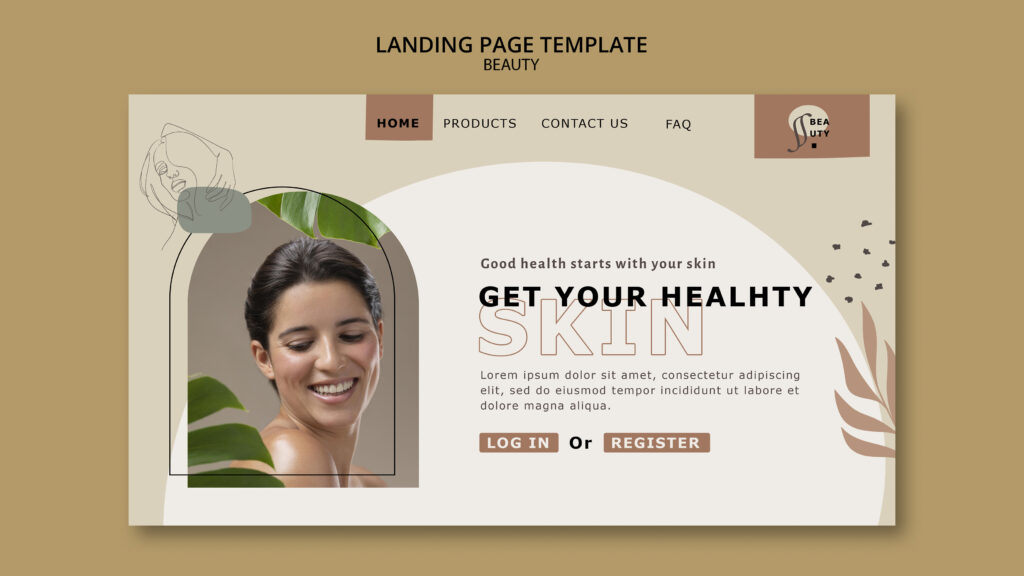
Generic website templates are everywhere.
In fact, many aesthetic clinics choose them because they look modern, affordable, and quick to launch.
However, what seems like a smart shortcut often becomes a long-term problem.
In today’s competitive UK aesthetic market, your website does far more than “exist online.”
Instead, it shapes trust, supports SEO, and influences whether patients book or bounce.
Because of this, the type of website you use directly affects your clinic’s growth.
This article explains why generic templates hurt aesthetic clinics and, more importantly, what you should use instead.
Why Many Aesthetic Clinics Choose Templates
Templates are popular for a reason.
At first glance, they appear to solve multiple problems at once.
Most templates offer:
- Quick setup
- Low upfront cost
- Pre-built layouts
- Modern design styles
For a new or growing clinic, this feels convenient.
As a result, many owners believe a template is “good enough” to start with.
Unfortunately, aesthetics is not a generic industry.
Because of that, generic solutions rarely perform well in the long run.
The Aesthetic Industry Is Not Like Other Businesses
Aesthetic clinics sell trust, not products.
Patients are not making impulse purchases.
Instead, they research, compare, and evaluate before booking.
In addition, aesthetic treatments involve:
- Safety concerns
- Medical regulations
- Emotional decision-making
- High expectations
Generic templates are not designed for this type of behaviour.
As a result, they often fail to guide patients toward confidence and action.
Problem 1: Templates Look Like Every Other Clinic Website
One of the biggest issues with templates is sameness.
Because thousands of clinics use the same layouts, differentiation disappears.
Patients notice this.
After visiting several clinic websites, everything starts to blur together.
Consequently, your brand becomes forgettable.
In a competitive city like London, Manchester, or Birmingham, blending in is risky.
Instead of standing out, template-based sites quietly lose attention.
Problem 2: Poor SEO Structure From the Start
Templates are built to work “for everyone.”
Because of this, they are rarely optimised for aesthetic SEO specifically.
Common SEO problems include:
- Weak heading structures
- Generic service layouts
- Poor internal linking
- No location-based optimisation
Although plugins can help slightly, structure matters more than tools.
As a result, many template websites struggle to rank for treatment keywords.
Search terms like:
- “Lip fillers near me”
- “Anti-wrinkle injections London”
- “Best aesthetic clinic Manchester”
require pages built intentionally for those searches.
Templates rarely do this well.
Problem 3: Templates Do Not Match the Patient Journey
Patients follow a specific decision path.
First, they want reassurance.
Then, they want clarity.
Finally, they want an easy way to book.
Generic templates ignore this flow.
Instead, they focus on visuals rather than psychology.
As a result:
- Important information is buried
- Calls to action are unclear
- Trust elements are poorly placed
Even if traffic arrives, conversions stay low.
Therefore, clinics wonder why enquiries never increase.
Problem 4: Weak Mobile Experience
Most aesthetic patients browse on mobile.
However, many templates are only “technically responsive,” not truly mobile-first.
This causes problems such as:
- Hard-to-click buttons
- Slow loading images
- Crowded layouts
- Difficult navigation
Google notices these issues.
At the same time, users lose patience quickly.
Because of this, mobile performance directly affects rankings and bookings.
Problem 5: Compliance Risks in Aesthetic Marketing
Aesthetic marketing has strict rules.
ASA and healthcare guidelines must be respected at all times.
Templates often include:
- Over-promotional language
- Bold claims
- Poor disclaimer placement
While this may work in other industries, it is risky in aesthetics.
As a result, clinics unknowingly expose themselves to complaints or enforcement issues.
Specialist wording is not optional.
Instead, it is essential for long-term safety and professionalism.
Problem 6: Templates Limit Growth and Flexibility
Templates are rigid by design.
Although they work initially, problems appear as clinics grow.
For example:
- Adding new treatments becomes messy
- SEO expansion is limited
- Page speed slows down
- User experience suffers
Eventually, clinics outgrow the template.
At that point, a redesign becomes unavoidable.
Unfortunately, this often costs more than doing it properly from the start.
What to Use Instead: Specialist Aesthetic Websites
Instead of generic templates, clinics should use custom-built or specialist-designed websites.
These websites are created specifically for:
- Aesthetic treatments
- Patient decision-making
- Local SEO
- Compliance-friendly marketing
As a result, performance improves across every area.
Benefit 1: Custom Structure for SEO and Conversions
Specialist websites are structured intentionally.
Each treatment has its own page.
Each location is clearly defined.
Because of this:
- Google understands your site better
- Patients find information faster
- Rankings improve naturally
In addition, content flows logically from awareness to booking.
Therefore, conversions increase without aggressive selling.
Benefit 2: Branding That Feels Premium and Trustworthy
Aesthetic branding should feel calm, professional, and confident.
Templates rarely achieve this balance.
Specialist design focuses on:
- Colour psychology
- White space
- Visual hierarchy
- Emotional reassurance
As a result, patients feel safe and confident.
This emotional response directly affects booking decisions.
Benefit 3: Built-In Local SEO
Local SEO is essential for aesthetic clinics.
Therefore, specialist websites include:
- Location-focused content
- Google Maps integration
- Structured address details
- Local keyword placement
Instead of forcing SEO later, it is built into the foundation.
Consequently, clinics rank better in Google Maps and local search.
Benefit 4: Faster Websites and Better User Experience
Speed matters.
Both Google and patients expect fast-loading websites.
Specialist-built sites are:
- Lightweight
- Optimised for mobile
- Designed for performance
As a result, bounce rates drop.
At the same time, engagement improves.
Benefit 5: Compliance-Safe Content and Layouts
Specialist agencies understand aesthetic regulations.
Therefore, websites are written and structured with compliance in mind.
This includes:
- Balanced treatment descriptions
- Realistic claims
- Clear disclaimers
- Ethical messaging
Because of this, clinics stay protected while still marketing effectively.
Why Devmart Does It Differently
Devmart is not a general web design agency.
Instead, we work specifically with UK aesthetic clinics.
Our websites focus on:
- SEO-first structure
- Patient-focused journeys
- High-converting layouts
- Speed and performance
- Long-term scalability
Because we understand aesthetics, we avoid generic solutions entirely.
Final Thoughts
Generic website templates may look appealing at first.
However, for aesthetic clinics, they often cause more harm than good.
From poor SEO to low conversions, templates limit growth.
In contrast, specialist-built websites support trust, rankings, and bookings.
clinics need more than a pretty layout.
They need a website designed for aesthetics, patients, and performance.
If your clinic is serious about growth, moving beyond templates is not a luxury.
Instead, it is a strategic decision that pays off long term.
check our recent case study — click here