When someone visits your aesthetic clinic website, they decide very quickly.
They do not read everything.
They do not analyse your qualifications first.
Instead, they feel something.
That feeling shapes whether they trust your clinic or leave.
Because of this, website design psychology matters deeply in aesthetics.
Treatments are personal.
Patients feel cautious.
Trust comes first.
Therefore, your website must do more than look attractive.
It must feel calm, safe, and professional.
This blog explains how colours, layouts, and emotions affect patient decisions.
Why Psychology Matters in Aesthetic Clinic Website Design
Aesthetic treatments are not impulse purchases.
Most patients feel nervous at first.
Many worry about safety and results.
Because of this, emotional reassurance matters more than sales language.
If your website feels confusing, patients leave.
If it feels outdated, trust drops.
However, a calm and clear website builds confidence.
As a result, patients feel safer booking a consultation.
First Impressions Decide Trust Instantly
People judge websites in seconds.
In aesthetics, that judgement is emotional.
A poorly designed website suggests:
- Low attention to detail
- Weak professionalism
- Reduced safety
Meanwhile, a clean website suggests care and expertise.
Patients often think:
“If the website feels professional, the clinic probably is.”
Therefore, first impressions matter more than features.
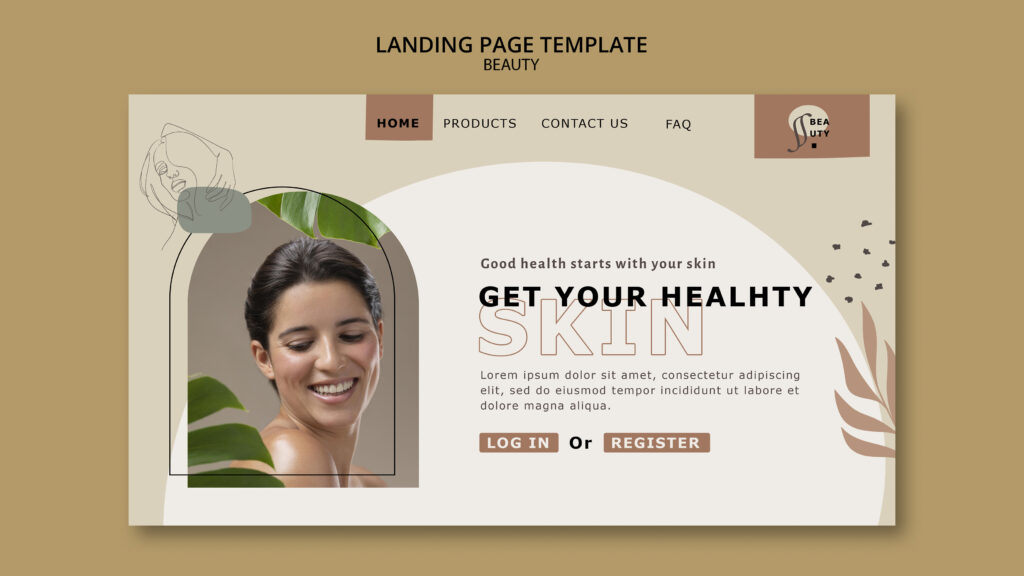
The Psychology of Colour in Aesthetic Clinic Websites
Colours strongly influence emotions.
Because of this, colour choice should never be random.
White: Clean and Professional
White space creates calm.
It signals cleanliness and medical standards.
As a result, patients feel less anxious.
White also improves readability.
Soft Neutrals: Calm and Premium
Neutral tones feel balanced.
They suggest luxury without pressure.
Therefore, they work well for premium aesthetic clinics.
Soft Blues: Trust and Safety
Blue is associated with healthcare.
It creates feelings of security.
Because of this, blue helps patients relax.
Muted Greens: Healing and Skin Health
Green feels natural and restorative.
It works well for skin-focused treatments.
As a result, it supports emotional reassurance.
Colours to Avoid
Some colours trigger negative emotions.
For example:
- Bright red signals danger
- Neon colours feel aggressive
- Too many colours overwhelm users
In aesthetics, subtle always works better.
Layout Psychology: How Structure Affects Behaviour
Website layout affects how patients think.
If navigation feels hard, users leave.
Therefore, structure must feel simple and calm.
Clean Layouts Reduce Anxiety
White space helps users breathe.
It reduces visual stress.
As a result, content feels easier to understand.
Crowded pages create mental pressure.
Clear Visual Hierarchy Guides Decisions
Good layouts guide the eye.
First comes reassurance.
Then comes explanation.
Next comes proof.
Finally comes action.
Because of this order, patients feel comfortable progressing.
How Users Scan Websites
Most users scan pages quickly.
They read across the top first.
Then they scan down the left side.
Therefore, important content must sit in these areas.
Emotional Design Elements That Build Trust
Before and After Images
Before-and-after images show proof.
They help patients imagine results.
However, quality matters.
Poor images reduce trust.
Used correctly, images increase confidence.
Human Faces Create Connection
People trust people.
Images of practitioners feel reassuring.
As a result, clinics feel more approachable.
Stock images alone are not enough.
Reviews Reduce Fear
Reviews show real experiences.
They reassure new visitors.
Because of this, reviews increase bookings.
They work best near booking buttons.
Call-to-Action Psychology
Aggressive CTAs feel uncomfortable.
In aesthetics, gentle language works better.
Good examples include:
- Book a consultation
- Speak to our team
- Request an appointment
These phrases feel supportive.
As a result, patients feel less pressured.
Mobile Design Psychology
Most patients browse on their phones.
If mobile design feels difficult, users leave.
Therefore, mobile optimisation is essential.
Good mobile design includes:
- Large buttons
- Simple menus
- Fast loading
- Easy booking
Mobile experience directly affects conversions.
Typography and Emotional Trust
Fonts influence perception.
Clean fonts feel professional.
Decorative fonts feel risky.
Because of this, readability should always come first.
Text must feel calm and clear.
Website Speed and Emotion
Speed affects trust.
Slow websites create frustration.
Fast websites feel reliable.
As a result, speed improves confidence and SEO.
Why Specialist Designers Perform Better
General designers focus on visuals.
Specialist designers focus on behaviour.
In aesthetics, behaviour matters more.
That is why specialist agencies outperform general ones.
How Devmart Uses Website Psychology
Devmart designs websites for aesthetic clinics only.
Because of this, psychology guides every decision.
We focus on:
- Trust-based colour choices
- Calm layouts
- Emotion-led messaging
- Mobile-first structure
- Fast-loading pages
- SEO-friendly design
As a result, websites convert better.
Final Thoughts
Website design is emotional.
Patients decide based on feeling, not logic.
Colours, layouts, and structure shape that feeling.
When design feels calm and professional, patients book.
If your website does not feel right, conversions drop.
And if you want a website built on real patient psychology, Devmart is ready to help your clinic grow with confidence.
check our recent case study — click here