Introduction
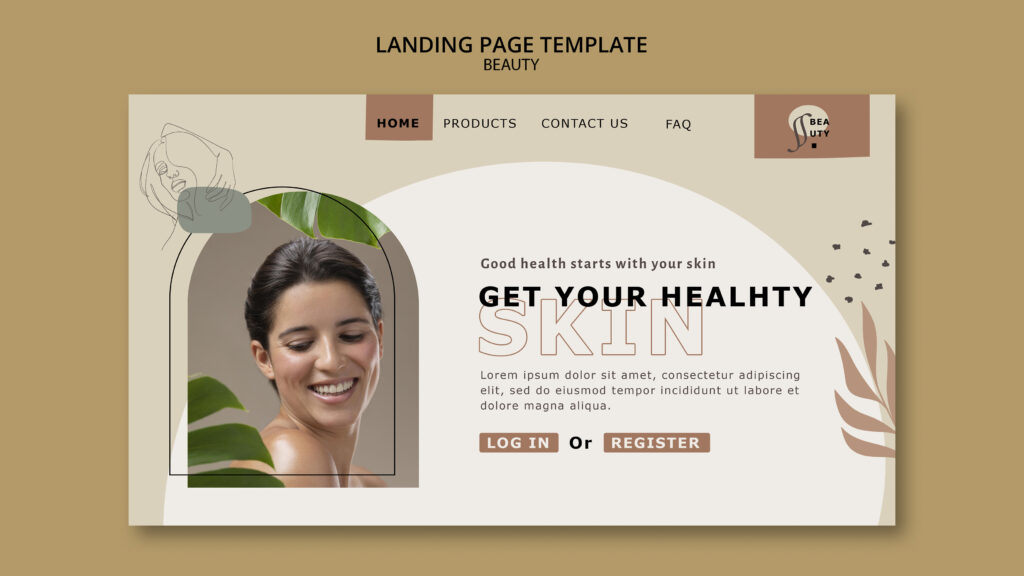
In the digital world, a potential patient’s journey often begins with a single click. From that moment on, their experience on your website will determine whether they stay and book, or leave and find a competitor. UX design for clinics is the art and science of creating a website that is not only visually appealing but also intuitive, efficient, and reassuring. It’s about putting the patient first, solving their problems, and making their journey from a curious visitor to a loyal client as seamless as possible.
Beyond Aesthetics: The Purpose of UX Design
Many people confuse UX (User Experience) with UI (User Interface), which is how a website looks. While UI is important, UX is about how the website works. It’s the architecture of the entire experience: the navigation, the ease of finding information, and the simplicity of the booking process. For a clinic, excellent UX design for clinics is crucial because it builds trust and demonstrates your professionalism even before the patient meets your team.
Key Principles of Great UX Design for Clinics
Implementing a user-first approach can be broken down into these core principles. When a website masters these, it becomes a powerful conversion engine.
1. Intuitive Navigation
A patient should never feel lost on your website.
- Clear Structure: Use logical categories for your services, a simple menu, and a prominent “Contact” or “Book Now” button.
- Minimal Clicks: Reduce the number of clicks required for a user to find information or complete a task.
2. Clear and Simple Language
Patients are not medical professionals.
- Avoid Jargon: Use plain, easy-to-understand language. Instead of “rhytidectomy,” use “facelift surgery.”
- Patient-Centered Copy: Write with the patient in mind, addressing their concerns and questions directly.
3. Seamless Booking Process
The booking form is one of the most critical elements of your website.
- Low Friction: Make the form as short and simple as possible. Only ask for essential information.
- Progress Bars: If the form has multiple steps, a progress bar reassures the user and encourages them to finish.
- Mobile-Friendly: Ensure your booking form is easy to fill out on a smartphone, as this is where most users will be. This ties directly into the need for a solid mobile-first website design.
4. The Trust Factor
UX design plays a significant role in building trust.
- Trust Signals: Prominently display security badges, HIPAA compliance logos, and professional certifications. This is a key part of your website security for clinics strategy.
- Social Proof Integration: Use design to highlight patient testimonials and positive reviews. A well-placed testimonial can build immediate confidence. This is a crucial element of your social proof for clinics efforts.
The Direct Impact of UX on Conversions and SEO
A great user experience leads to great results.
- Increased Conversions: When a website is easy to use, visitors are far more likely to complete a desired action, such as booking an appointment or filling out a contact form. It reduces friction in the conversion funnel, a core element of your website conversion strategies.
- Better SEO Rankings: Google’s algorithms reward sites that provide a good user experience. A well-designed UX can lead to a lower bounce rate and a longer “time on page,” both of which are positive signals that can improve your search rankings.
FAQs
What’s the difference between UX and UI design?
UI (User Interface) design is about the visual elements of a website—the colors, fonts, buttons, and layout. UX (User Experience) design is about the overall feel and function of the website—how a user interacts with it, and how easy it is for them to achieve their goals. A great website needs both.
How can I improve my website’s UX without a full redesign?
Start with a UX audit. Analyze your website’s navigation, load speed, and forms. Use tools like Google Analytics to identify pages with high bounce rates. Small changes, such as simplifying a form, improving your website’s loading speed, or reorganizing your main menu, can have a significant impact.
Is UX design a one-time thing?
No. UX design is an ongoing process. As user behavior changes and technology evolves, you should regularly test and refine your website to ensure it continues to provide the best possible experience for your patients.
Conclusion
In the end, UX design for clinics is the silent partner of your success. It works behind the scenes to make your website not just a beautiful display, but an intuitive tool that reassures, guides, and converts. By investing in a seamless patient experience, you build trust from the very first click, setting the stage for a lasting patient relationship.
Ready to create a website that not only looks professional but also works perfectly for your patients? DevMart specializes in building user-first websites that are designed for trust, seamless experience, and maximum conversions.
Book a discovery call with DevMart today and let’s craft a website that your patients will love!